One could say the 2026 weather patterns on the WA reef are making timing an issue of substance, not just something put forward in a brochure. For those after the straight answer, you will find the surest bet for a number of excursions is to make use of the calmer shoulder times of autumn or, in the case of some southern sectors of the reef, spring. But do not put it past the Bureau of Meteorology’s marine forecasts to have the last word before you leave. That is the gist of good WA reef timing and a far better way to go than to be swayed by a picture on Instagram.
Celeste Mitchell would put it no differently than she does with clients of her beauty treatments: one has to be mindful of expectations and aftercare as well as the season. There is no single pattern to be had across the state in 2026. You will see Ningaloo, the Pilbara, the Kimberley, Rowley Shoals and the Abrolhos Islands all put their own spin on what the sea surface temperature, wind, swell and cyclone risk have to offer, to say nothing of the cold fronts and such like El Niño, the Southern Annular Mode (SAM) or the Indian Ocean Dipole (IOD). Whether you are off to dive or put in a day on a liveaboard, this guide should separate any wishful thinking from ideal planning.
The 2026 Outlook
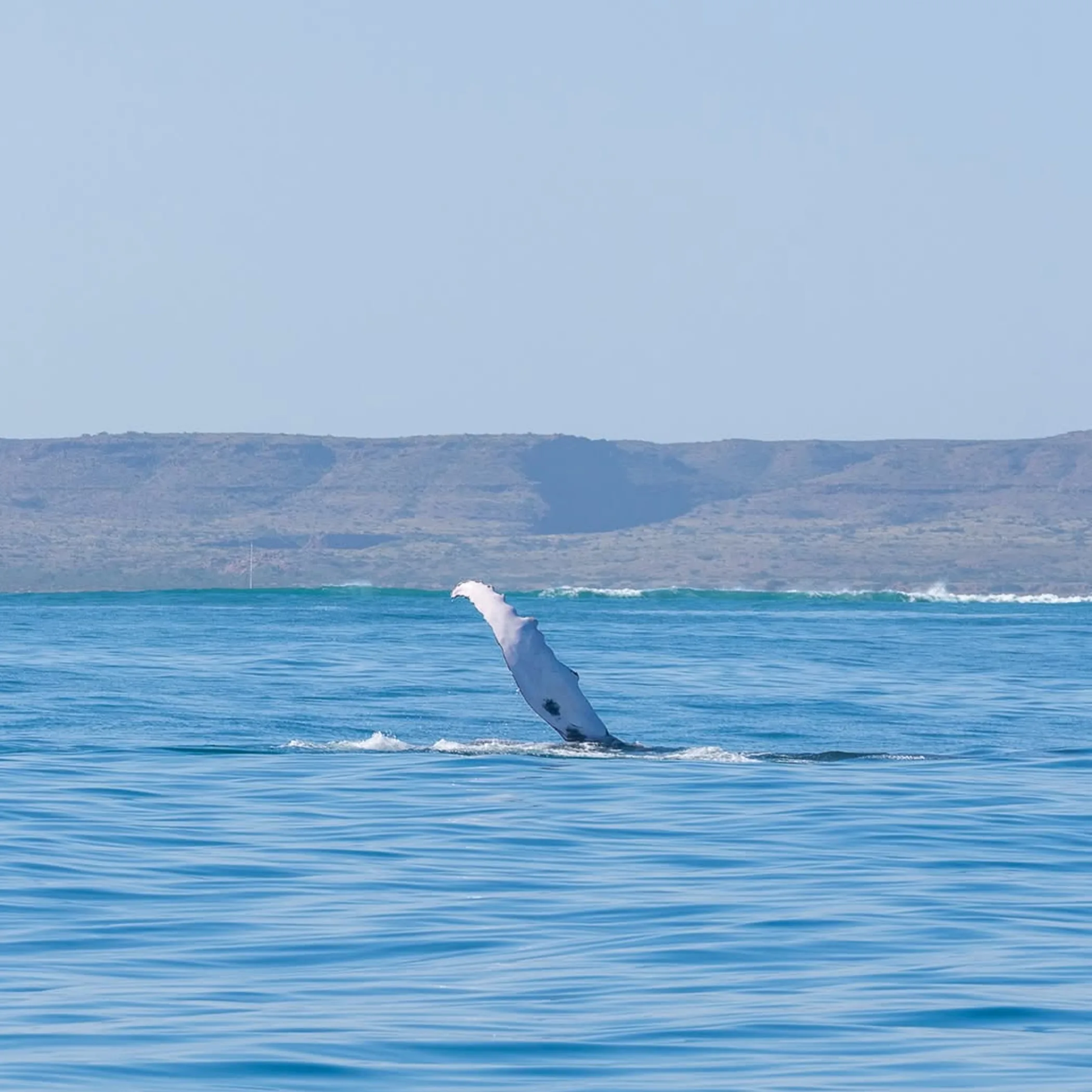
For the traveller there is a simple headline: in the north-west of WA at least, warmer than average marine conditions will be a consideration when you plan. Then there is the matter of local storm and wind set up which will make your time on the water either rough as guts or something else entirely. Do not look for a perfect month so much as align the forecast with the seasonal habits of the particular reef you intend to visit.
And a word of caution: offshore “good weather” is not always reflected on land. Exmouth may be under blue skies but that does not preclude a bit of sloppy chop or a wave height to give you an uninvited core workout instead of a leisurely snorkel, let alone bad visibility. It is in that disparity between reality and expectation that proper trip planning is done.
By Region: Key Points
Autumn is when you will find the Ningaloo Reef 2026 conditions to be accommodating to most; the water is warm and the threat of cyclones has generally abated. Understanding the ideal WA reef timing can greatly enhance your experience. With Rowley Shoals the 2026 weather is apt to be more of a response to the swell and offshore wind, so a patient approach to your itinerary is rewarded over a hasty one. As for the Abrolhos, the 2026 weather is at the mercy of cooler water and frontal activity from the south, rendering the shoulder seasons quite useful.
| Region | Best General Window | Main Weather Risks | Who It Suits |
| Ningaloo Reef | Autumn through early winter | Wind chop, hot water stress, late wet-season systems | Divers, first-time snorkellers, whale shark travellers |
| Rowley Shoals | Dry-season lulls | Remote access, exposure to wind and swell | Liveaboard and experienced divers |
| Abrolhos Islands | Spring and a stable autumn | Fronts, strong sea breezes, swell | Boaties and fishers who can be flexible |
| Pilbara Coast | Winter and autumn | Storm surge, marine heatwave, cyclones | Those comfortable on the remote coast |
| Kimberley Coast | The dry season | Poor access, storms, wet-season rain | Remote expeditions |
What Drives the Climate
You may come across talk of an El Niño 2026 in Western Australia or the IOD and question its relevance to a holiday on the reef. Indirectly it matters. These are not going to provide a neat daily forecast but they do put the odds in favour of certain behaviours in the wind, swell and humidity, and how the coral and water clarity are affected.
We would advise regarding any 2026 seasonal outlook as probabilistic rather than a given. The BoM puts out its outlooks on the strength of ocean and atmosphere data and those can change in the course of a few weeks. Should anyone claim to know precisely what every WA reef will be doing months down the line, they are being confident, not certain.
El Niño, IOD And SAM
An El Niño might bring more heat and less rain to some of Australia yet the impact in Western Australia is dependent on the region and time of year. The IOD will have its say on moisture and sea surface temperatures in the Indian Ocean, the SAM on the path of cold fronts and westerlies in the south. Put simply, they are what accounts for the Abrolhos being harder hit by a frontal passage or the difference in the Pilbara’s heat and the Kimberley’s wet season. When it comes to Western Australia’s BOM outlook for 2026, one does well to consider the short-range marine forecasts in concert with the climate outlooks. A long-range signal will tell you what month to put on the calendar, but not the day to put a boat in the water.
Regional Reef Outlooks
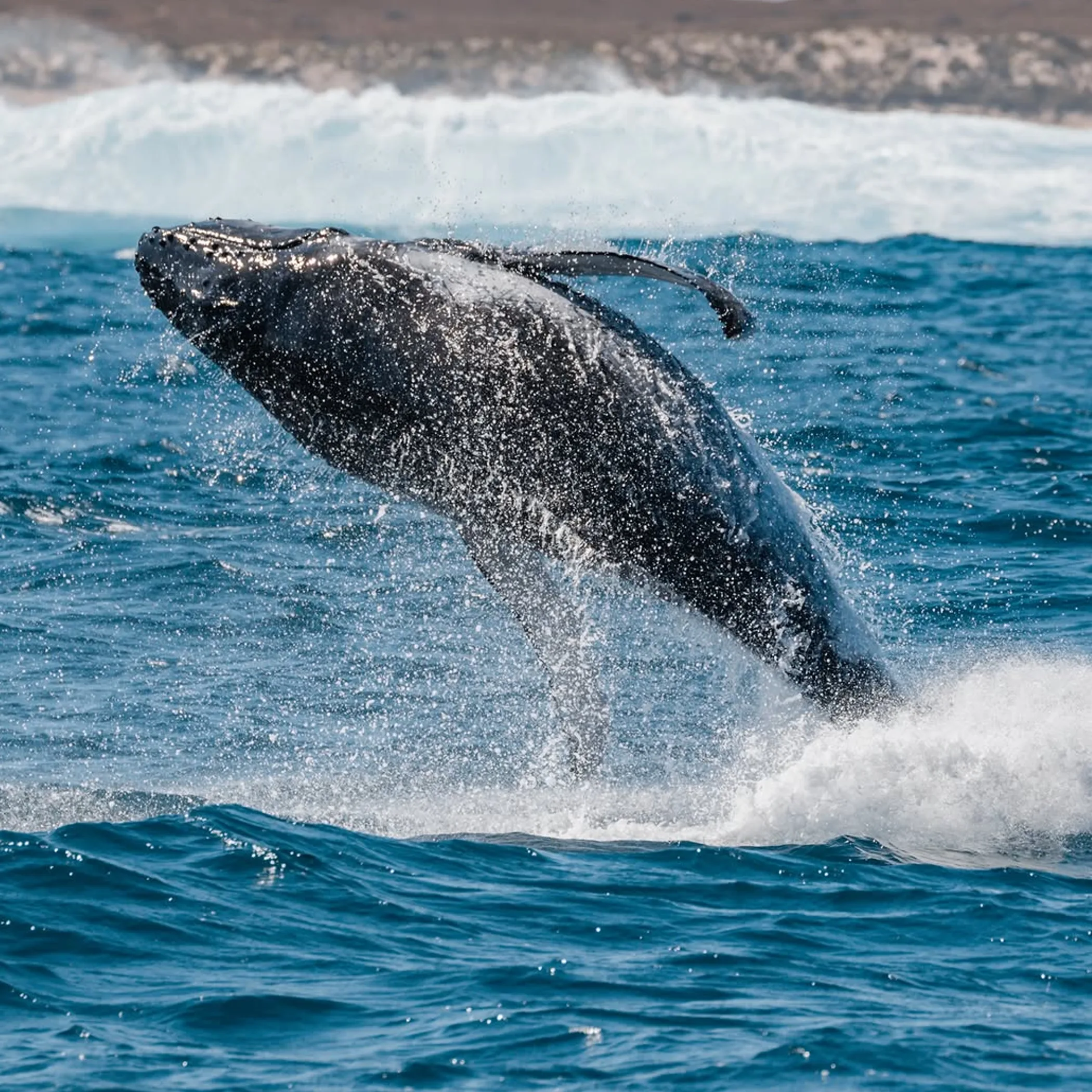
Here is where you find some real utility. You cannot treat all of WA’s reefs as if they were the same any more than you would have every skin type using the same facial; the state is too vast for that. The right time to be on a WA reef is dictated by your destination along the coast, how much open water there is and whether you are in a liveaboard, on a day boat or snorkelling from the shore.
In my experience, both professionally and as a traveller, people make the mistake of fixating on the headline attraction and neglecting the nitty-gritty. The reef might be fine and dandy but the boat ramp a shambles, parking at a premium and the crossing rougher than you would like. In WA it pays to have the uninteresting details in order from the start.
Ningaloo Reef Conditions
For those in Exmouth and Coral Bay making use of paid tours or an easy shore snorkel, the weather at Ningaloo in 2026 will be of prime concern. Autumn tends to be the best of times in WA for the reef: the heat of summer and any cyclone risk abate while the water is still warm and visibility at its finest. Summer has its beauty but is open to tropical lows and the odd messy wind in the afternoon.
Should you have just a day at Ningaloo, make it a morning of it. By lunchtime the winds will have picked up and the sea that was flat as a pancake at breakfast will be something else. Even at a well-trodden beach where shore access is simple, do not let beginners think a lagoon is safe for them simply because it appears so from the sand; the currents will have their say.
Rowley Shoals Outlook
The remote and exposed nature of Rowley Shoals makes for a different kind of weather story in 2026. Most get to it from Broome on an expedition or liveaboard. While the dry season is the most reliable, offshore conditions can change in a moment. One has to be patient and flexible in these parts and not expect your itinerary to be adhered to.
Logistics are commonly underappreciated at Rowley Shoals. This is no place for a casual half-day outing. There will be vessel motion and the occasional delay. For someone who is easily made seasick or likes to call the shots, it may prove to be a trying first reef.
Abrolhos Islands Pattern
At the Abrolhos the 2026 pattern is set by the intersection of southern systems and the warmer ocean, which is as inconvenient as it is interesting. You may find good windows in spring or a stable autumn, then have boating plans scuppered by a cold front or a stiff breeze. It is a matter of paying attention to the swell period and where the wind is coming from as much as the temperature.
Geraldton is the usual point of departure for a charter, flight or boat. An independent trip seems the cheaper option until you have added up the fuel, launch fees, ice and overnight gear and the savings have gone.
Pilbara And Kimberley Waters
You will encounter the northern Australian way of things in the Pilbara and Kimberley: big heat, the wet season and cyclones from November through April, and marine conditions that can go from workable to unworkable in short order. Any anomalies in the 2026 WA sea surface temperatures will make the prospect of a marine heatwave in the Pilbara all the more of an issue; extended warm water is hard on the coral and takes the comfort out of diving in ways that are not always anticipated. Hot is not synonymous with pleasant.
The Kimberley traveller is better off in the dry season when the roads and coastal access are less of an ordeal and the weather is not apt to throw a fit. But near an estuary or out on a remote coast, have some respect for the tides and crocs and do not take a tourist brochure for a risk assessment.
Heat, Coral And Water
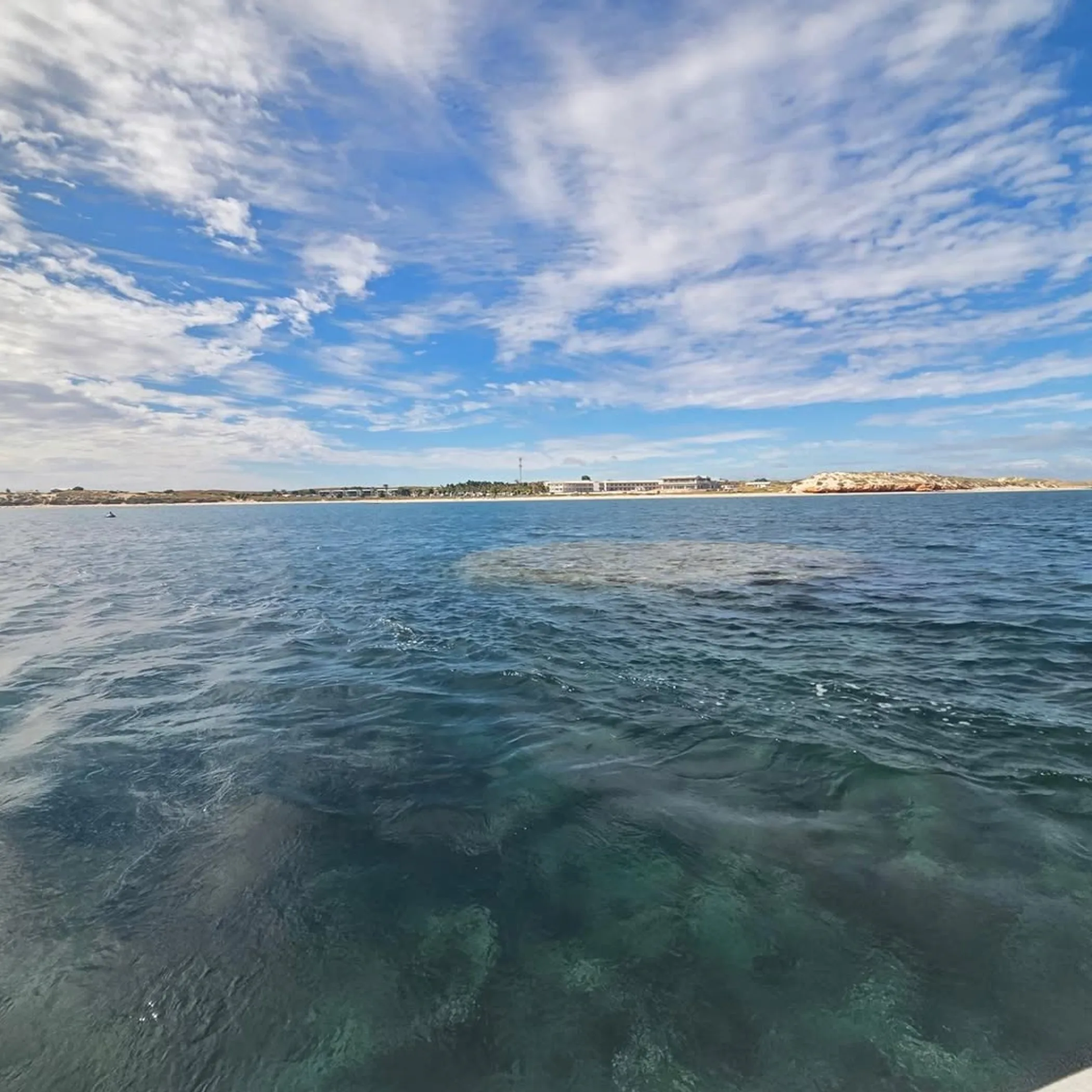
It is more than a question of comfort, the state of the marine environment will determine your trip quality, what you can see and the health of the reef. There is risk of coral bleaching and marine heatwaves to contend with along with sea surface temperature. A reef may be open for business but if the coral is under stress it will show in the water. For 2026 one should plan WA reef visits with an eye on the reef’s condition as well as the annual leave calendar.
The Bureau of Meteorology and other models have their uses in this regard. Anomalies in sea surface temperature are not so easily put behind you as a hot spell on land; weeks of unseasonably warm water can put ecological strain on things. You can still make the trip but do not expect the same experience as the postcards you put away half a year ago.
What the Warm Water Does
Distribution of marine life, how clear the water is, diver comfort and the like are all subject to above average temperatures. In the north-west you can get marine heatwave conditions when the heat lingers and the winds are light. Down in the southern zones the warmth might be tempting but for boats the swell and fronts are the real operational concern.
Reality check: there is a tendency for travellers to think crystal waters are down to the sunshine. Wind mixing, plankton, runoff and swell have as much to do with it. A calmer day with less sun is preferable to one that is postcard blue but has some unsightly chop.
When to be on the water
For most WA reef experiences autumn is the season to plan around in 2026. Winter is no bad time for some northern or offshore forays once the cyclone danger has passed. The south-west and Abrolhos are very good in spring, provided you are watching the frontal activity. Then there is summer with its hazards from the heat and storms to the weather up the northern coast. It is the highest risk season. Not impossible, but it calls for back up plans and a greater tolerance for risk. The right timing for a WA reef is what suits the reef and your abilities, not the price of the air ticket.
Limit yourself to a day? Make it Ningaloo rather than something remote offshore, take a morning out and leave the afternoon open to any change in conditions.
Beginners would do well to stick to the sheltered lagoon at Ningaloo or a guided snorkel in Coral Bay where they can get current advice on wind and tide.
As for Rowley Shoals in anything but settled weather, or putting to sea in the Pilbara with no offshore background, those are not for novices. “She’ll be right” is not a marine safety plan.
On Diving, Snorkelling and Boating
Divers will find better windows of visibility and less swell when the wind is down, usually away from peak storm times. A snorkeller is better served by a safe entry and currents he can handle than the warmest water on offer. And for boaties, getting out is only part of it, so fuel margin and return timing should come first.
Operators will tell you that while visitors are preoccupied with the temperature they overlook the wind, which is what makes or breaks a trip. A tinnie ride in a fresh sea breeze on open water is a lesson in regret, whereas a bit of swell with little wind is fine.
Hazards
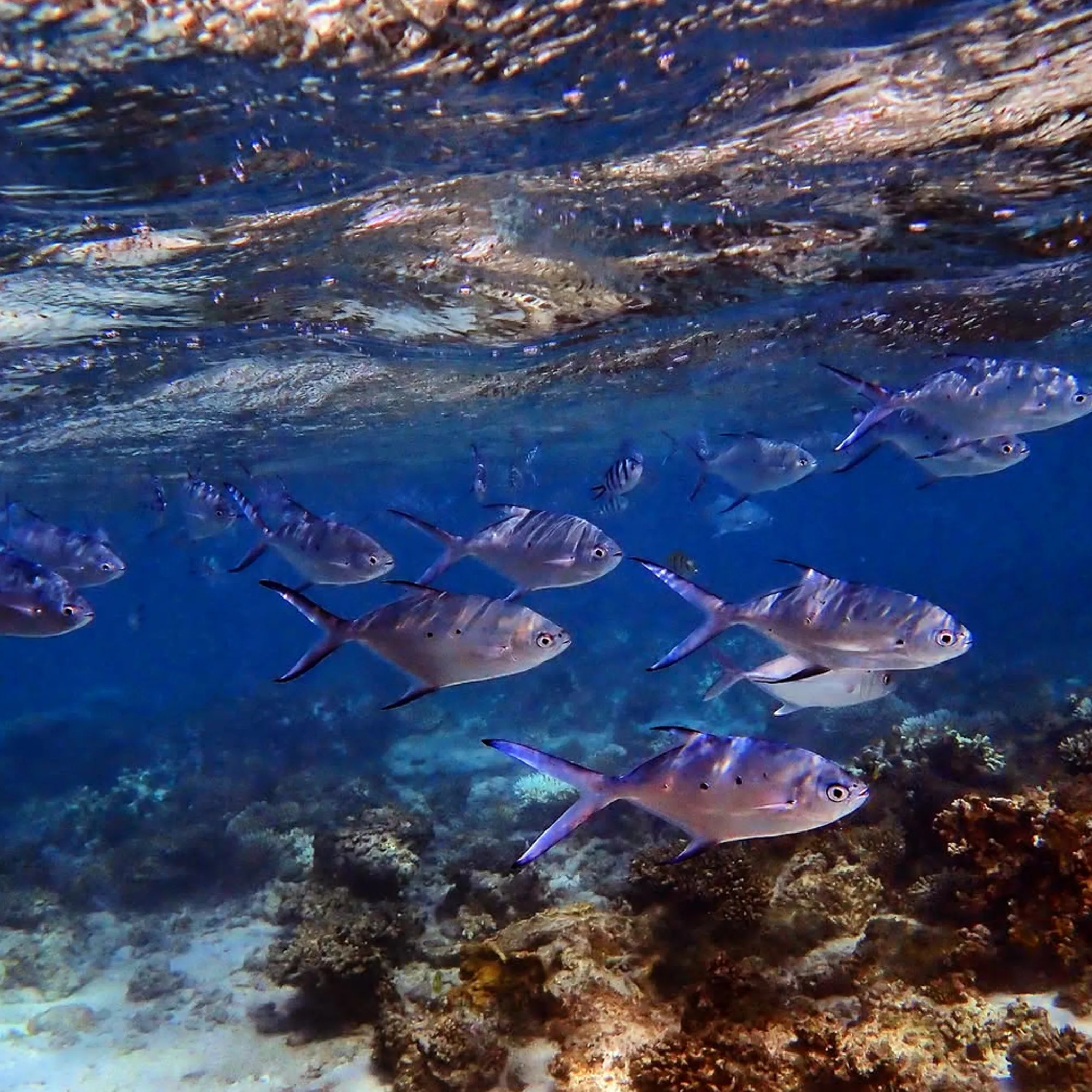
Do not mistake the coastal weather hazards in WA for mere decoration. From surge and cold fronts to thunderstorms and fast building sea breezes, they warrant respect. In the remoter parts where support is not at hand a safety margin is part of ideal timing. I have no patience for romanticising discomfort. If the swell is up and there is a nervous type in the group who does not like being on a boat, and the crossing is going to be cramped, then alter your plans. Pride is of no use as a flotation device.
Some basics for safety planning
Rely on the official marine forecast, not what is on your phone app. VHF or sat comms need to be in order for a remote outing and you should know where the nearest ramp or alternate landing is. Parking at the ramps in Exmouth, Broome or Geraldton has a way of filling up ahead of schedule, school holidays and events notwithstanding.
A look at the BoM for wind, swell and any warnings is in order the night before and again come departure.
Put some questions to the operator over refunds and what they will do if they have to cancel or move sites.
In WA you need to factor in road time. Distances are what they are and a road train is not going to wait because you are late, let alone the wildlife at dawn and dusk.
Have your seasickness remedies to hand if you need them, as well as water, sun protection and a phone with charge in it.
A Proper Reading of the Forecasts

In 2026 the more astute traveller will employ a layered method: long-range climate outlooks to zero in on a month, short-range marine forecasts for the final say. The Bureau of Meteorology is your official port of call for any warnings or on the water conditions; Weatherzone makes a handy secondary tool for keeping an eye on patterns. But do not put all your faith in a single screenshot when it comes to timing a WA reef trip, compare your sources.
Official Warnings and Forecasts
Head to the BoM Western Australia forecast pages and the marine section for what is authoritative. The BoM will have you covered with the warnings and forecasts that are necessary to make decisions in the face of hazardous conditions be it from a cyclone, wind or swell.
Making Sense of the Data
Go through the forecast in order: any warnings to begin with, followed by wind direction and strength, then wave height and swell, and tides where current flow or access is a factor. An above-average warmth in the spring-summer outlook is good background information for monitoring coral bleaching or a marine heatwave but it is no licence to overlook a poor short-term wind forecast.
If there is any uncertainty, put in a call to the charter office or operator to find out what sorts of things get trips called off in the real world. You can glean some gold from that local perspective. What may seem like an alright forecast to an outsider might be entirely unsuited to an unseasoned group or a particular mooring and channel crossing.
Sources for Planning
An effective planning stack is rather unexciting and very official. Rely on the BoM for its forecasts and warnings, harbour or marine notices as the case may be, regional tourism bodies for the basics of access and your local operator for a reality check at site level. There is no need to be in search of some magic source, a simple routine will do for getting the best timing on a WA reef.
Then there is the matter of cost and transport. By the standards of WA Exmouth and Coral Bay are not complicated but remote enough to make early booking worthwhile. One goes to Geraldton for the Abrolhos, Broome is where most make their start for Rowley Shoals. With flights, tours and rooms tending to run up in price at peak times, it is cheaper to have your budget in place than to be after last minute deals that are not there.
The Bottom Line
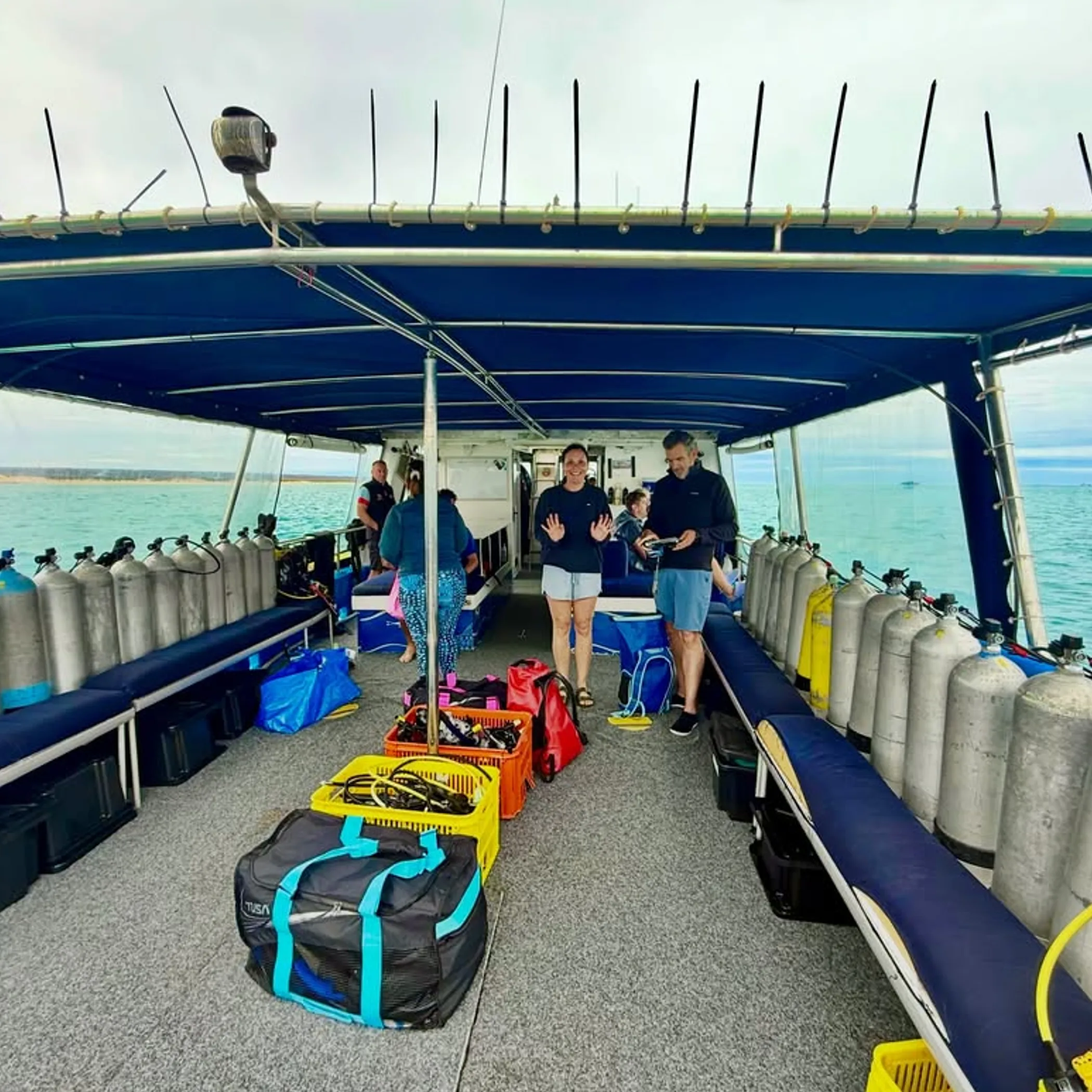
The 2026 weather patterns in Western Australia’s reefs tell a plain story: decide on your region and season and let the day-to-day marine forecast dictate the rest. Most will find their ideal time is well clear of the northern wet and the worst of the fronts and wind in the south. It is the sensible thing to do if not as thrilling as “any time will do”.
Celeste Mitchell would have it in simpler terms: be a realist in your plans, pack as though the weather has nothing to give you and be open to change. WA reefs are brilliant one day and moody the next. Show them the respect and the stories you take home will be worth it.
Frequently Asked Questions
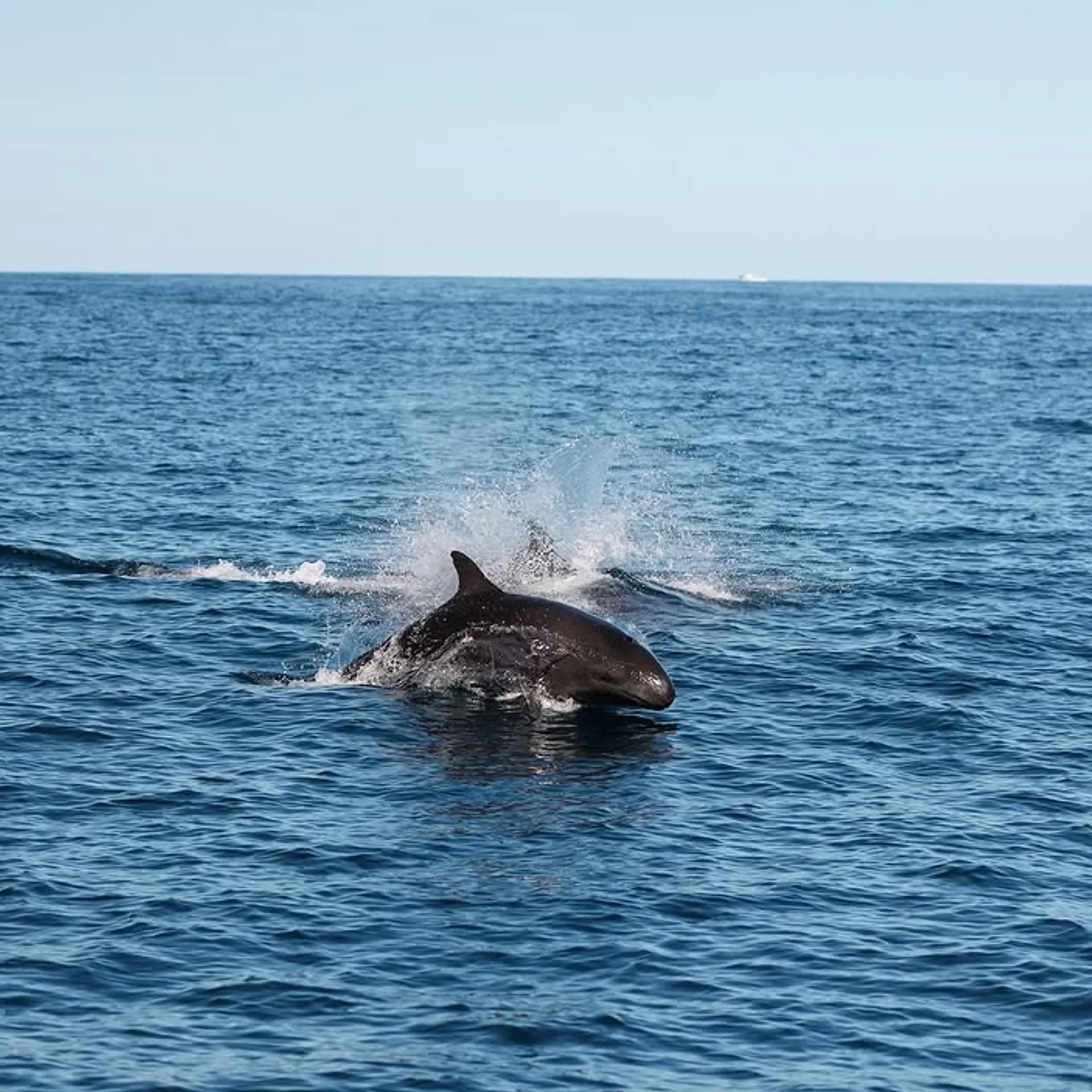
Travellers will want to separate fact from the general summer noise when it comes to reef conditions. And rightly so, one does not want to part with good money for a walloping of wind or soup-warm water.
Will it be a hot summer in Australia in 2026?
You will see talk of an elevated heat risk in parts of the country in seasonal outlooks for 2026 but it is a matter of the month and the region. For the WA reef traveller the question is whether sea surface temperatures are running high in the marine areas and if that is accompanied by cyclone risk or a light-wind marine heatwave.
Super hot this summer?
“Super hot” is hardly a term of precision in forecasting even if some inland and western areas have very hot spells. Put aside the national headlines and look at the BOM 2026 guidance for Western Australia and the short range.
Which is the windiest month in WA?
You will not find one for the whole state given the spread of tropical and temperate zones. In southern waters the cold fronts and westerlies of the season are a force to be reckoned with and in many a reef area the afternoons of late spring and summer are apt to be windy.
El Niño or La Niña in 2026?
The ENSO state can be in flux over the course of the year so consult the Bureau for the latest. El Niño could mean drier, hotter going in some regions but for the local reef weather it is the storm setup, wind and swell of the moment that count.
What is the best time to put in a booking for a WA Reef trip?
Autumn is the wiser course of action for Ningaloo and the rest of the north-west, once the worst of the cyclone risk has run its course. For more out of the way offshore destinations such as Rowley Shoals one will want to be selective with dry-season windows. And while the Abrolhos can be counted on for steady conditions in spring or autumn, it is prudent to have a look at the latest marine forecasts before any non-refundable arrangements are made.
