Pack Smart In The Tropics

The season will dictate what you put in your bag for a trip to tropical Queensland, as will your itinerary and how much humidity one can stand before it is all but part of the shirt. A sensible packing list for most excursions calls for lightweight attire, fabrics that breathe, good walking shoes, swimwear, a compact wet-weather kit and dependable sun protection.
I am Celeste Mitchell. Having made my way to Brisbane, I was not long in learning that in Queensland you do not pack to be polished so much as to be comfortable, cool, sun-safe and out of the way of the damp. My approach to a tropical packing list has served me well on the beach or the reef, on a hike or in some heritage spot, and when a tropical downpour seems to have a personal grudge. It is also prime time for visiting heritage areas.
A Flexible Core
Go with clothes you can mix and match. Something loose will give you more leeway when a day takes you from a morning at the café to a hot walk and it dries off quicker in the humidity. Cotton is nice but in wet conditions or on a boat, quick-dry is more of a practicality, as is something that can be washed over and over.
- You will want T-shirts, tank tops, shorts, a dress or two.
- Throw in some sandals, thongs, a rash vest and your swimwear.
- Do not forget a wide-brimmed hat, sunglasses, insect repellent and sunscreen.
- For the inevitable air-conditioning and cooler evenings, a light jacket or cardigan.
- A small laundry kit and a waterproof bag are also in order.
Do not be tempted to overpack outfits. Laundry is no trouble in the tropics provided you rinse things in a timely manner and put them where there is some air to circulate.
Queensland’s Seasonal Rhythm
There is no single climate in this state. You will find a milder coastal climate on the Gold Coast with its warm summers and changeable weather, and cooler winter mornings; up in Cairns and Far North Queensland the pattern is distinctly tropical wet-and-dry. Make sure your packing is suited to your destination and not just what is written in the itinerary.
In the north the dry season is to be expected, the wet season less so, with all the humidity and tropical rain that entails and the need for waterproofs. One minute it is fine and the next it is not, particularly in the mountains or near the coast and rainforest.
At A Glance
| Travel period | Typical packing focus | Useful extras |
|---|---|---|
| Dry season | Walking shoes, sun protection, breathable layers | Extra water capacity, a cardigan or jumper |
| Wet season | Waterproof storage, rain gear, quick-dry items | Dry bag, spare socks, insect repellent |
| Summer, Gold Coast | Light beach wear, swimwear, sun protection | Jacket for windier beaches and the evening |
| Winter, southern Qld | Layers for indoors and the evening | Warmer casual layer, long-sleeve shirts |
Take these as guidelines. If you are heading to the reef or some remote spot, or anywhere subject to severe weather, look at the forecast and any warnings first.
Dry Season Kit
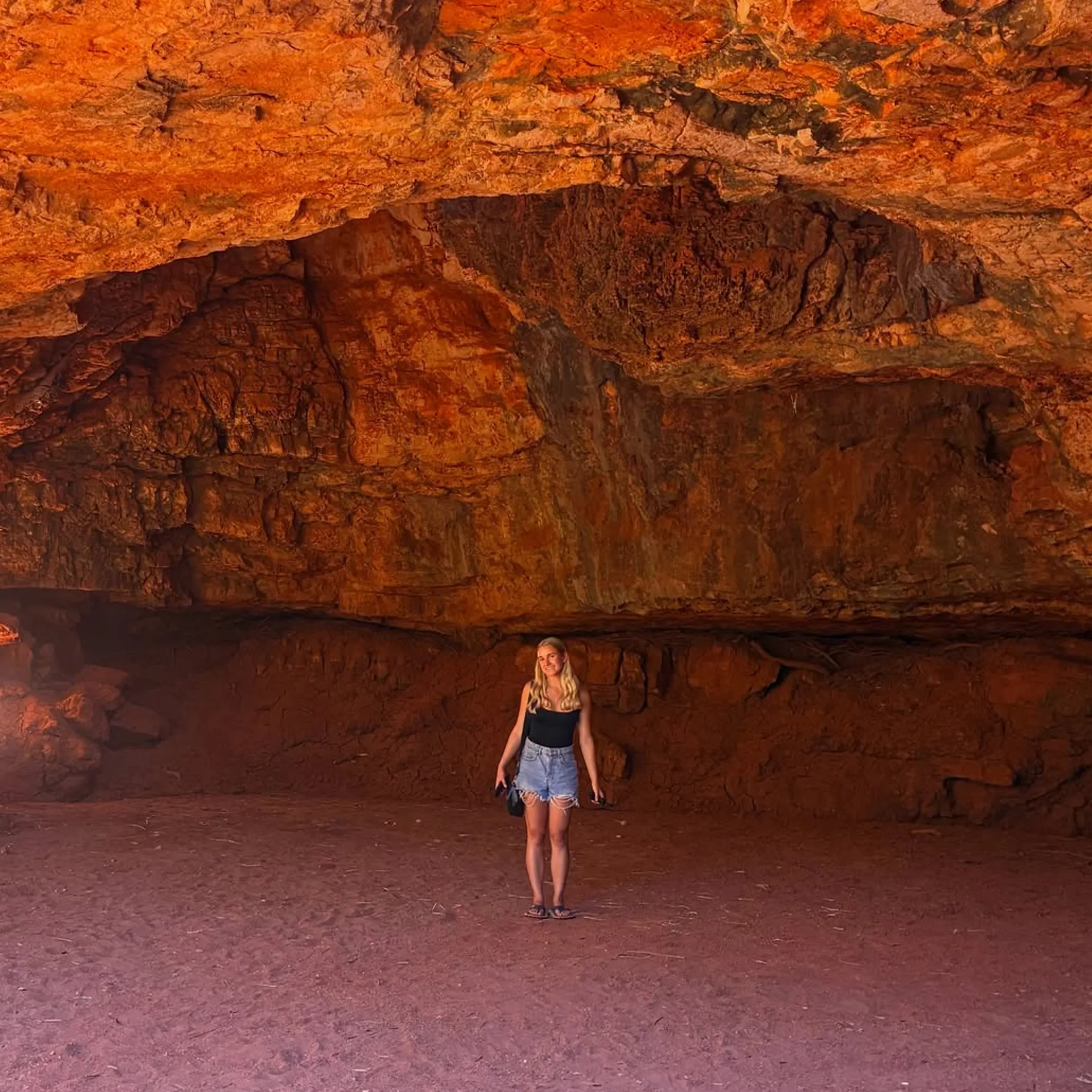
Far North Queensland is straightforward to pack for in the dry season; there is less rainfall to contend with and outdoor plans are easier. But then the sun is stronger and you may find a short walk is longer than the map would have you believe.
When you are out for hours, cover your shoulders. On an exposed track or the deck of a boat a loose long-sleeve is more agreeable than having to put sunscreen on skin that is already warm.
Practical And Cool
Breathable T-shirts, shorts, dresses and tanks are fine for the day. Have a pair of lightweight trousers or a longer skirt for the evening or for cultural and religious sites and to keep insects at bay. A cardigan comes in handy on tour boats and in restaurants and hotels with the air-con on full.
Even in the dry season do not count on it being hot after dark. Daytime in Palm Cove or Cairns is warm enough but once the sun goes down and you are by the water it is a different story. A proper light jacket is called for on some winter nights in the south, Gold Coast included.
For Your Outdoor Days
If you are going to be doing rainforest tracks and markets and lookouts, leave the fashionable footwear at home. You want to be comfortable. Put on a pair of walking shoes you have broken in; new ones in the humidity for a long day is not a science experiment you want to undertake.
A good rule for reef excursions is to have swimwear of a type that will not come undone, a rash vest and a change of clothes. Also bring a dry bag and sun protection of the reef-safe variety, should the operator be amenable. While you can count on most tour operators to put out some equipment, it is best to verify inclusions before making any assumptions. And do not put your wet suit in with the rest of your luggage in an ordinary suitcase; the other contents will end up reeking of a damp towel.
The Wet Season
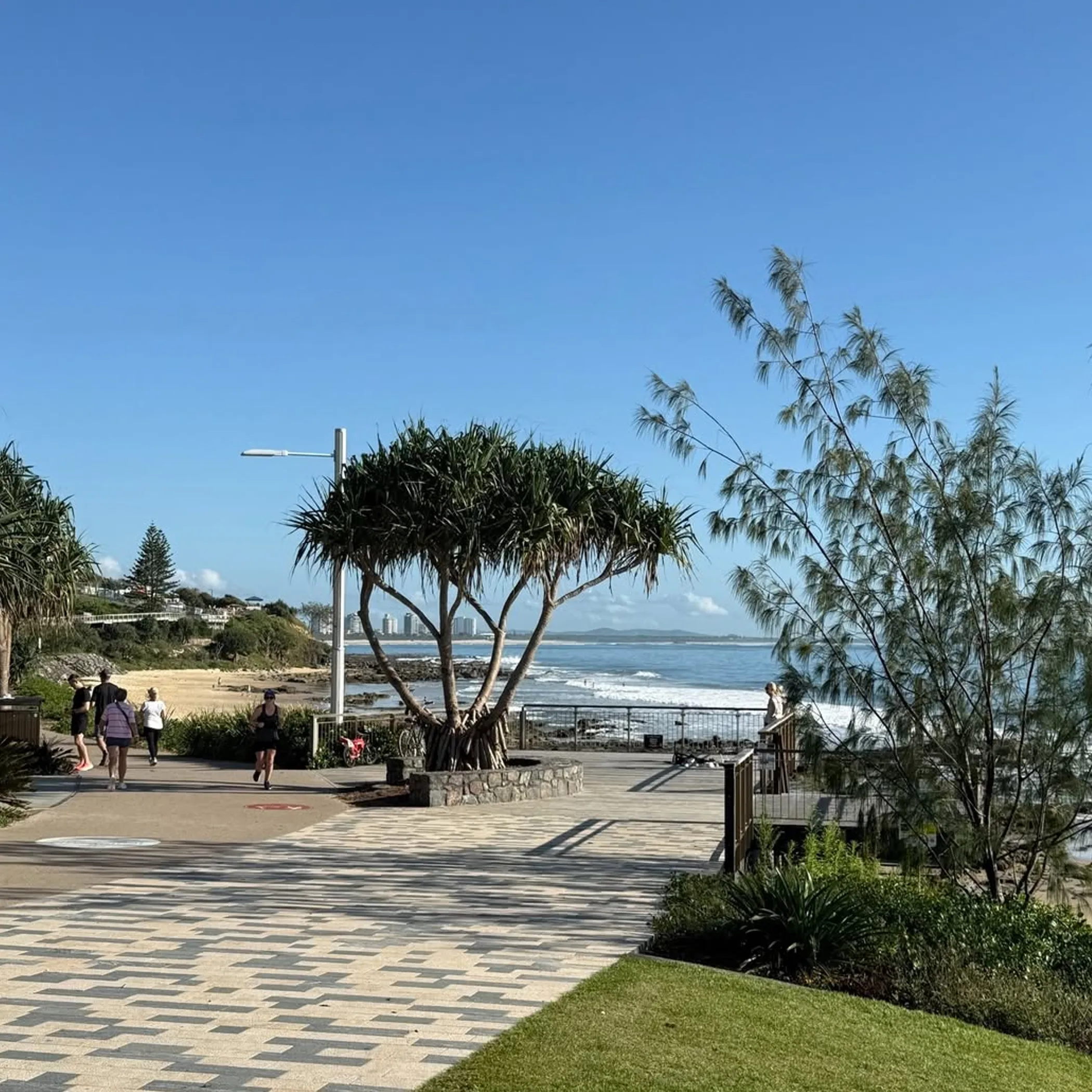
In the wet season one has to adjust what a “day out” entails. You might be in the sun in the morning and find yourself with squelching shoes by the time you are done, after a tropical downpour at lunch. Do not see the rain as something unlikely to interrupt your plans, pack accordingly.
Then there is the matter of humidity and how it slows the drying of clothes. A thick cotton shirt will be damp for hours. Quick-dry material can be rinsed and wrung out in a towel and be ready to hang by dinner.
Clothing and Electronics
Walking tracks and boat transfers call for a light rain jacket over an umbrella which is too much of a burden. For wallet, phone, camera and travel papers make use of a dry or waterproof bag. Smaller things can be put in reusable zip-seal bags but they will not stand up to prolonged rain like proper storage.
If hiking is a big part of your itinerary, allow for a second pair of walking shoes and at least a spare set of socks. Change them when you can. There is nothing appealing about the odour that ensues from wet shoes confined in your luggage.
Dry and damp clothing should be kept apart in separate bags or packing cubes. Where accommodation is short on space for drying, put small items to wash in the morning and put them where there is a draft. Do not let them sit in a bundle in the bathroom.
Access and Weather
Roads, ferries and outdoor tours are all subject to the whims of tropical rain. In northern Queensland the warmer months bring cyclone alerts and conditions have a way of turning on a dime. Heed any official warnings and operator directives.
Before a long hike, drive into the bush or a trip to the reef, consult the Bureau of Meteorology for their latest forecast. It is of little use to disregard it because the sky appears benign.
Beaches and the Reef
Keep it simple on a beach holiday. Have clothes that will do for both the sand and lunch without having to go through your wardrobe, and means to contend with the elements.
Two swimsuits are in order if you plan on being in the water every day so one dries while you are in the other. The rash vest is useful for extra coverage on a reef trip or while paddleboarding.
Footwear
For the promenade and café a sandal will do. Thongs are fine for a quick walk on the beach or in communal showers but do not try to put them on for a long urban stroll or uneven rainforest track. Your walking shoes need a firm sole and to accommodate feet that will swell in the heat.
And some activities, such as kayaking or a wildlife experience, may have a requirement for enclosed shoes; the operator will tell you. One does not go barefoot in place of preparation, not with unstable ground and sharp surfaces around.
A System for the Day
One small bag should hold your sunscreen, hat, insect repellent, towel, water and a waterproof pouch. Make sure your dry clothes are not mixed with your swimwear, something to bear in mind when you are back on a boat or shuttle with no comfortable spot to make a change.
When you have but a single day, make room for the essentials: a rash vest, sun protection, your swimsuit, a waterproof pouch for the phone and a pair of shoes you can get along in. The superfluous outfit can stay at the accommodation.
Sun and Mozzies

In Queensland you cannot treat sun protection as optional. On open roads or pale sand the heat seems tolerable enough yet the ultraviolet keeps mounting. Put some insect repellent in your day bag as well. A mozzie is tiny but can put an end to a nice evening in inverse proportion to its size.
Cover The Essentials
Have your broad-spectrum sunscreen, sunglasses and hat. Reapply as the label says, after a swim or towelling off. Near the wetlands or for al fresco dining a long-sleeve shirt and lightweight trousers of a longer cut are practical.
Evening calls for repellent in mosquito country. Be mindful of children and sensitive skin and adhere to the directions. Do not be under the impression the sea breeze will put them off, it is a false sense of security.
Manage Heat Sensibly
Have a refillable water bottle to hand and make of the shade, an indoor venue or a chance to put in some swimming when you take your breaks. On a hike, do not let the distance be the only factor in how much time you put aside; in the humidity it is wise to be more liberal with it. Even a brief track will test you if there is heat and rough ground to contend with and you have to stop often.
Those with allergies, medication requirements or any health condition made worse by the heat should exercise care in their planning and get professional counsel as the occasion demands. The tropical clime of Queensland has a way of being exacting even on an unassuming itinerary.
Packing for a Queensland Destination
A list for Cairns ought to cover warm evenings, the vagaries of rainforest weather and excursions to the reef. In Palm Cove one can put together a wardrobe of beach attire, yet you will want walking shoes and something to ward off the rain for any exploration off the sand.
There is a little more give in a Gold Coast packing guide. Sun protection and light clothing are de rigueur, but come winter a jacket or jumper is called for.
Cairns And Far North Queensland
Make sure you have at least one long-sleeve shirt along with insect repellent, a rain jacket, quick-dry garments and good walking shoes for this part of the state. Reef, river or rainforest activities call for a dry bag. Should you be in a hire car, do not have your water, hat and sunscreen stowed under your luggage where they cannot be got at; keep them within reach. Be realistic about the time for road conditions and to make stops. Services are few and far between in the more remote parts so put your fuel and access in order before you depart Cairns.
Coastal Stays At Palm Cove
Here you can be at ease in swimwear, sandals, dresses and anything that is loose-fitting. But include a practical outfit for a walk, waterproofs for the odd tropical downpour and a light layer when the evening breeze picks up.
Before you arrive, check on parking and access with your accommodation or activity provider, particularly with bulky luggage or mobility equipment in tow. A short trek from the car park to the beach seems a good deal longer when you are lugging wet bags in the open sun.
Southern Beaches And The Gold Coast
Your holiday wardrobe for the Gold Coast will be all the usual shorts, T-shirts, sandals and swimwear with sunscreen, but layers are well worth it. Put in a cardigan or light jacket for the cooler hours of the day or a winter morning.
One can make use of public transport or a rideshare in the busier coastal spots, though it is easier if you are not carrying much. For a walk in the hinterland, proper shoes are better than thongs and a look at the weather is in order before you head out from the coast.
Heritage And Culture
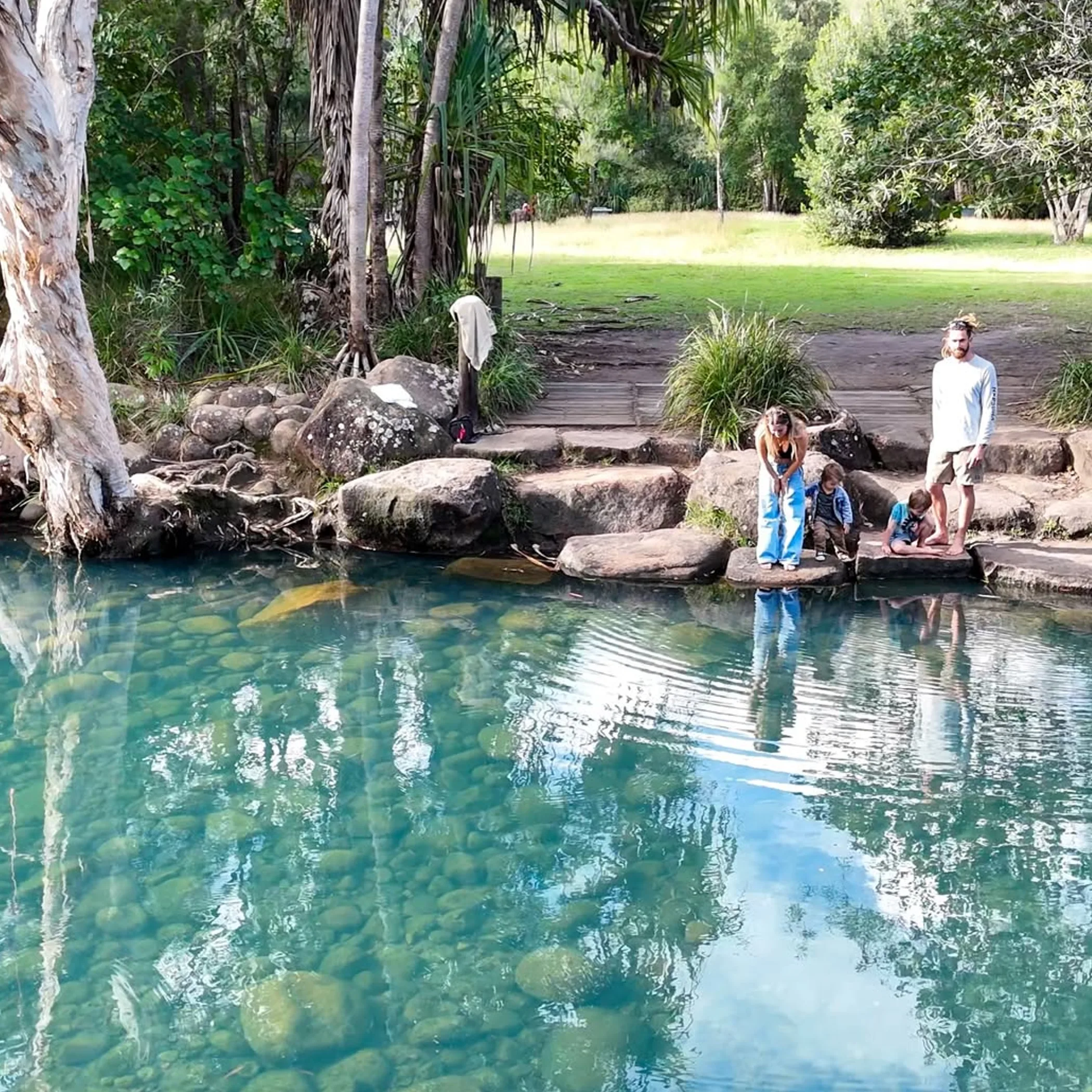
It is best to see the heritage areas early while the heat and the crowds have not yet set in and before your feet are done in. Put on something comfortable that is in keeping with the site and lets you move about. There are long stretches outdoors and uneven ground to be had in these places, not to mention stairs and little in the way of shade. A breathable top, hat and sunscreen are essential, as are walking shoes and a light layer should you be outside late. Bring water too.
Respect Access And Place
Heed the signs and rules for photography and local instructions. Visitors are expected to observe any restrictions or codes of conduct at cultural places. Do not be tempted to scale a barrier or go on a closed track just because of the view.
When putting together a day’s plan, do not try to pack in a number of sites that are far apart. Pair a heritage visit with a leisurely meal in the shade. Factor in the time it takes to park, find the toilet and get from the access point, and any hold ups the weather may bring. There is no honour in a schedule that has you all sunburnt by 2 pm.
A Simple Packing Method
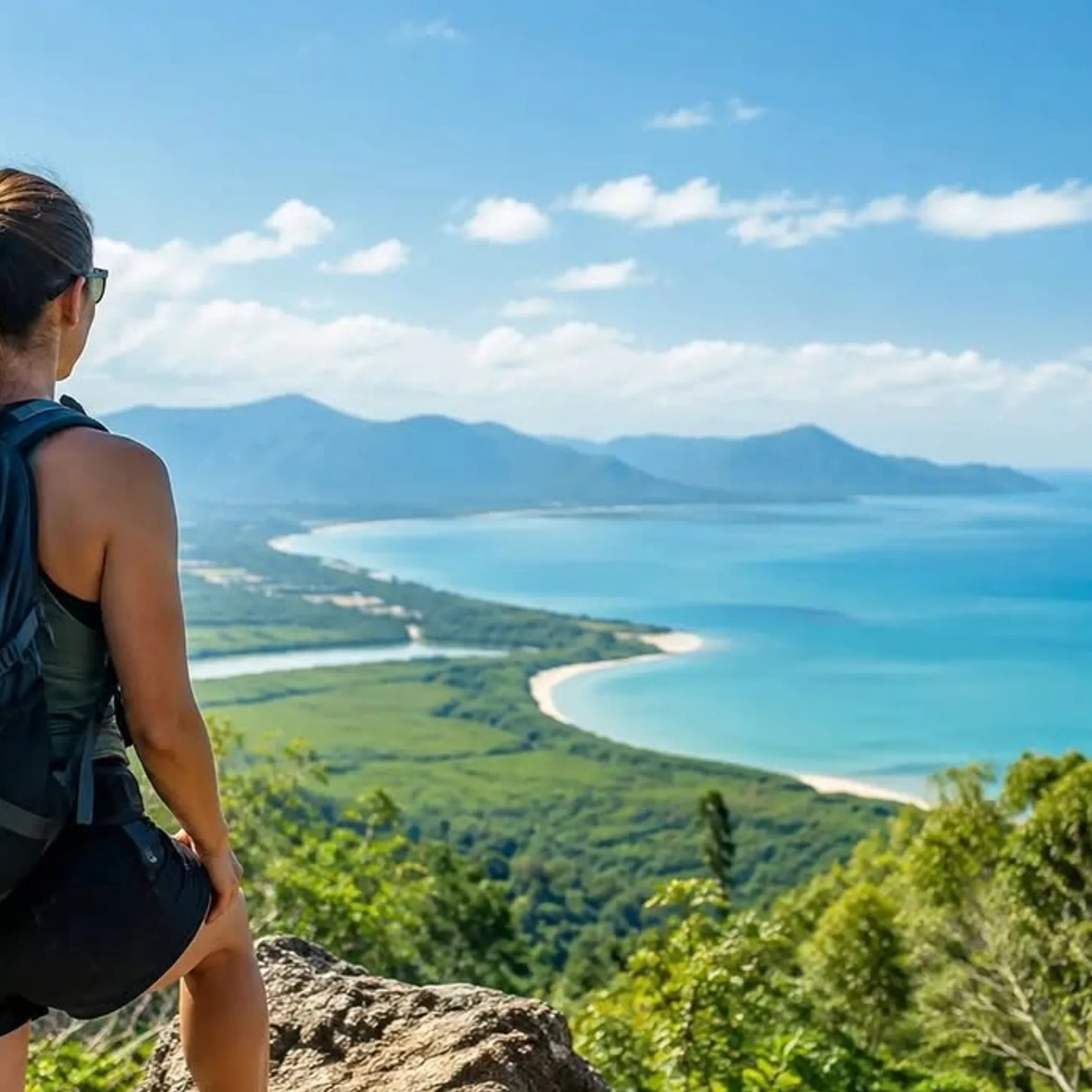
Rules for packing are of some assistance, but they are tools, not edicts from on high. The method to employ is the one that fits the length of your trip and what you will be doing, as well as laundry facilities.
Take the 5-4-3-2-1 rule for instance: five tops, four bottoms, three pairs of shoes, two for layering and a special item or two. In tropical Queensland one would do well to pare down on the shoes and put swimwear and quick-dry clothes and sun protection first.
Steer Clear Of Packing Errors
The error of most is to pack for a Queensland that exists only in their head, where it is hot and dry and there is always time for laundry. The reality is cool evenings, rain, muddy ground, air-conditioning and shoes and swimwear left to dry.
Vacationers tend to overlook the unglamorous but necessary things: a charging cable, sunscreen, medication, a waterproof pouch or water bottle. Run through a check before you depart and again at check out.
A full Australia packing list is overkill for a holiday in tropical Queensland. Booked activities should dictate what goes in the bag; make room for laundry and have wet-weather gear within reach.
Some Questions On Packing
What of the 3-3-3 Rule?
It is a minimalist way of going about it, typically three of each for tops, bottoms and shoes, with some variation. For a short stay in tropical Queensland three pairs of shoes is more than you need; thongs and a pair of walking sandals will see you through.
And the 3-5-7 Rule?
You will find no consensus on what this means. Some make of it a capsule wardrobe of sorts. Consider it an excuse to get your clothes in order, nothing more. Your guide to packing for Queensland must still account for the rain and the sun.
Is a jacket called for in Queensland?
For the Gold Coast or a boat trip, or any winter travel, a light jumper or cardigan is in order. You will not want a heavy coat in the tropics but a light layer is worth having.
Will thongs suffice?
Fine for the pool or a communal shower, but not for a hike or uneven terrain, so bring some walking shoes with a good sole if you are heading to Far North Queensland.
Rain in the dry season?
Do not be caught out. Tour conditions can alter and a compact rain jacket and a bag to keep electronics and documents dry when the forecast is off are small price to pay in terms of space.
In the end you want a lighter bag.
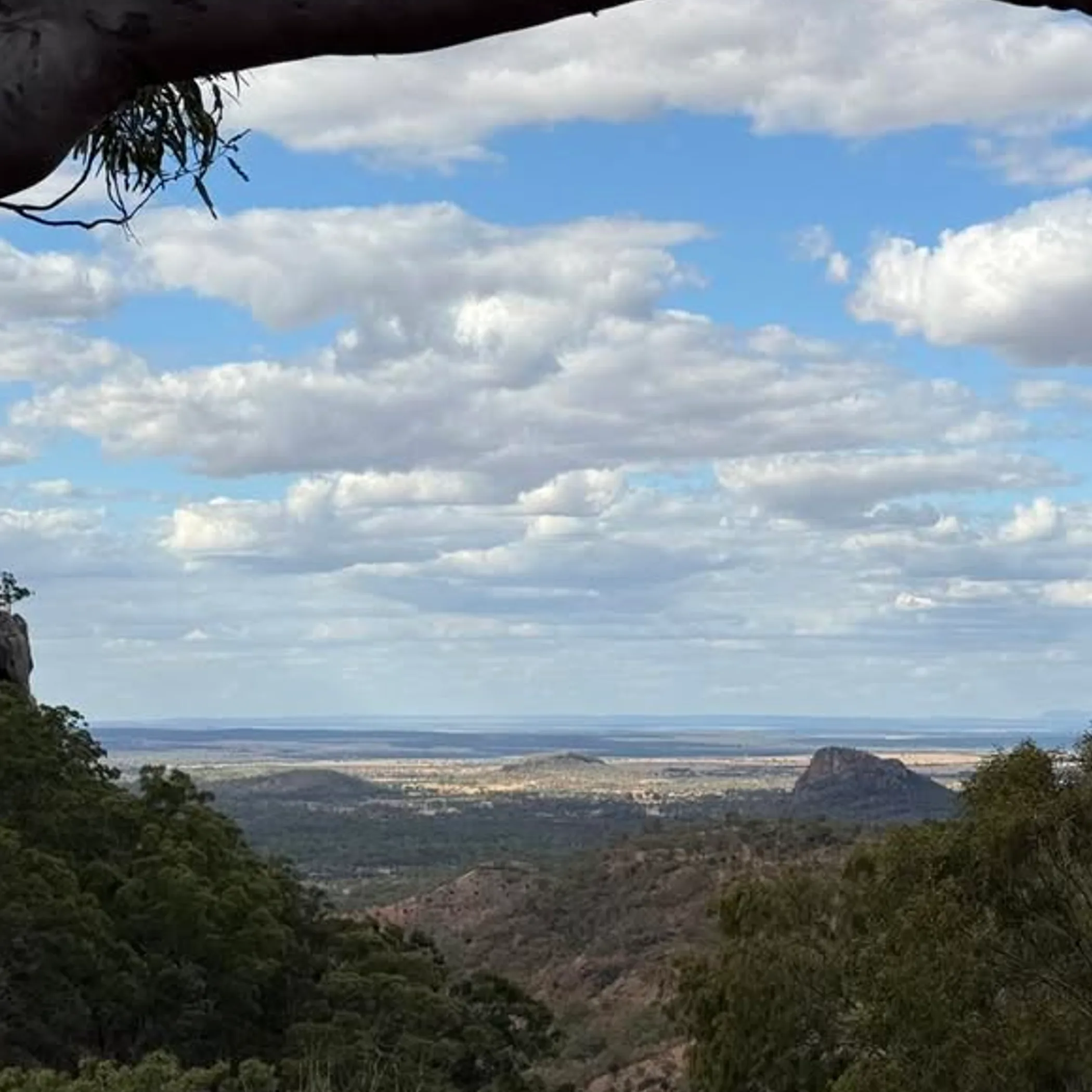
A good list for tropical Queensland is adaptable and easy to wash. Put in the insect repellent, the swimwear, the rain jacket and the like and tailor it to whether you are in Palm Cove, Cairns or the Gold Coast.
Do not pack for the postcard, pack for what you will encounter. Be prepared for the humidity and leave some room for laundry. When you are next to a wet track with a dry phone in hand you will appreciate it.
