Best Time To Visit Australia
The answer to when is the best time to come to Australia in 2026 will vary with your destination. That said, the shoulder months of March through May or September to November are generally preferred by the majority of travellers for their mild climate, less congestion and overall ease of getting about. You will find these seasons conducive to a city break or a long road trip to the national parks and coast, all without the extremes of summer or winter.
Then again, Australia is a vast country and you will not find one month that is ideal for it all. The Top End can be hot and muggy while Sydney and Melbourne put on the cool. Clear skies over Perth do not preclude wet season rain in Cairns. I am Celeste Mitchell; since making Brisbane my home I have found that looking up the weather for “Australia” is no more sensible than packing a single shoe. Get the forecast for the region you are in.
Choosing Your Season

Every season has its own character here. What is right for you is a matter of budget, including what a trip to Australia usually costs, how much heat you can stand, your route and whether you want to contend with school holidays or inclement weather.
Before you put down money on flights, consider what you want to do. A foray into the Red Centre in winter is fine, but unless you like flies and an oven of a car, a protracted drive across inland Queensland in summer is not advised.
Autumn is Uncomplicated
For a wide ranging Australian itinerary, the period from March to May is hard to beat. The crowds of summer subside, things are more agreeable temperature wise and you will not find many places closed down.
Sydney, Melbourne, Adelaide, Perth, southern Queensland and Tasmania are well served by autumn. So too are the wine country, the Great Ocean Road and any foodie excursions in the cities. In the north though, you may still be in the thick of the wet season in March with its humidity and the odd cyclone.
The Top End starts to head for the dry by May and some roads and tours will open up, yet one should not be surprised by a change in conditions. Put in a call for road reports before you go, particularly if the Gibb River Road or other remote tracks are on the agenda.
Winter is Good for the North
From June to August you will be more at ease in Darwin, Kakadu, Broome, the Kimberley and most of northern Queensland. Humidity and mosquitoes are down compared to the wetter times of year, though you can never count them out entirely.
Uluru, Kings Canyon and Alice Springs are also well worth a winter visit. The days in the Red Centre are pleasant enough but once the sun goes down it can get cold in a hurry. Make sure to pack layers.
In the south the winter can be wet and windy. Melbourne is known to give you four seasons before you have had lunch and Tasmania is no slouch in the briskness department. Not that you cannot go, but have a waterproof jacket and an indoor option in mind.
Spring for the Flexible
Another fine shoulder season is September to November. The wildflowers come out in Western Australia and the gardens in the south put on colour. Walking is easier before the summer sets in.
If you wish to mix some nature with your time in Perth, Margaret River, Adelaide, Melbourne or Sydney, spring is the way to do it. Be flexible though, as late spring can turn on you with a heatwave or bushfire risk.
Up north the wet season gets underway in November. Unsealed roads get rough and some tour operators will cut back or shut down for a while. If a remote route is in the offing, make certain you can get access and fuel and have your accommodation sorted.
Summer Requires Some Forethought
There is nothing wrong with a beach holiday in December to February in Tasmania or parts of Victoria and the coast, but it is not necessarily the prime time for Australia. With the school holidays there is more traffic and higher prices for rooms. Expect the sardine treatment at the better beaches and attractions.
Heatwaves and the threat of bushfire can lead to outdoor walks being called off at short notice in the south. The north in summer is the wet season proper, with tropical storms and cyclones in the mix from November to April.
It is still a good time to be here provided you do not get too ambitious with an inland drive and leave some spare days in your schedule. A coastal plan with some give is wiser than a rigid one. In the end it is the weather, not your spreadsheet, that has the last word.
Regions and Months: How to Match Them

A bit of regional planning is its own reward in Australia. Do not put stock in what might be the best season on a national level; see which conditions will put less strain on your transport and outdoor pursuits for any given destination.
For some practical pointers consult the table. You will find temperature ranges there are meant as a broad daytime guide, no more. Elevation, the coast or a passing weather system can alter local conditions.
| Region | Most Comfortable Period | Typical Considerations | Best For |
|---|---|---|---|
| Sydney And New South Wales Coast | March – May, September – November | Mild with now and then some rain, the beaches are busy in summer | Harbour sightseeing, road trips, a walk along the coast |
| Melbourne And Victoria | October through April | You can have changeable weather, cool in winter and heatwaves in summer | The Great Ocean Road, sport, galleries and good food |
| Tasmania | December to March | Daylight is longer but mountain weather cooler, services limited in winter | Scenic drives, wildlife and walking |
| Queensland Coast | April to October | Tropical warmth, the north has a wet season | Reefs, islands, national parks and the beach |
| Top End And Kimberley | May to September | Easier in the dry season; the wet can put restrictions on access | Aboriginal cultural sites, waterfalls and wildlife |
| Red Centre | April to September | The sun is strong all year, warm days and cold nights | Uluru, Kings Canyon and the desert |
| Western Australia South-West | September to May | Wet and windy in winter, wildflowers in spring | Beaches, forests, wine country and the like |
Weather Risks
It is not just a matter of what to put on. The weather will dictate if a national park is open, your swimming or walking options, and even road access or tour schedules.
Take a look at the Australian Bureau of Meteorology for the latest forecasts and warnings before you commit to non-refundable transport. They are helpful, but when out in the field one pays as much attention to the road authorities and any alerts from the local park.
The Wet And Dry
Up in the Top End and northern Western Australia the wet season is a different proposition. Rain comes in violent short order and floods may shut roads down. There are spectacular waterfalls to be had but some tracks are not safe and access is curtailed.
Visitors will find the dry season easier if not busier. Put in your bookings for accommodation and tours well in advance in places like Darwin, Broome, the Kimberley and Kakadu. Even with a friendly sky, have a charged phone and plenty of water and sun protection on hand.
Fire And Heat
If you are in the bush come summer make it a habit to check fire danger ratings and any park closures every day. A track may appear open but do not disregard a closure sign. After a fire alert a road that was fine in the morning is another matter.
Heat is no respecter of fitness. Get an early start on walks, eschew exertion in the middle of the day and have more water than seems necessary. Let someone know where you are going and when on a remote road. Pull over and give a road train the room it is due; it is not concerned with your sightseeing.
Water And Wildlife
Swimming is not always safe, depending on the season and where you are. Heed the signs in the north for crocodiles, stingers and off limits waterways. Down south the rips are a hazard on a calm looking beach, so stick to the flagged area with the lifeguards.
Exercise some common sense with the wildlife. Leave the kangaroos and seals alone, do not leave food at the campsite. In the bush put away your food and have a look in your shoes for a spider before you put them on. It is a small thing to do and could spare you an unpleasant morning.
An Itinerary That Makes Sense
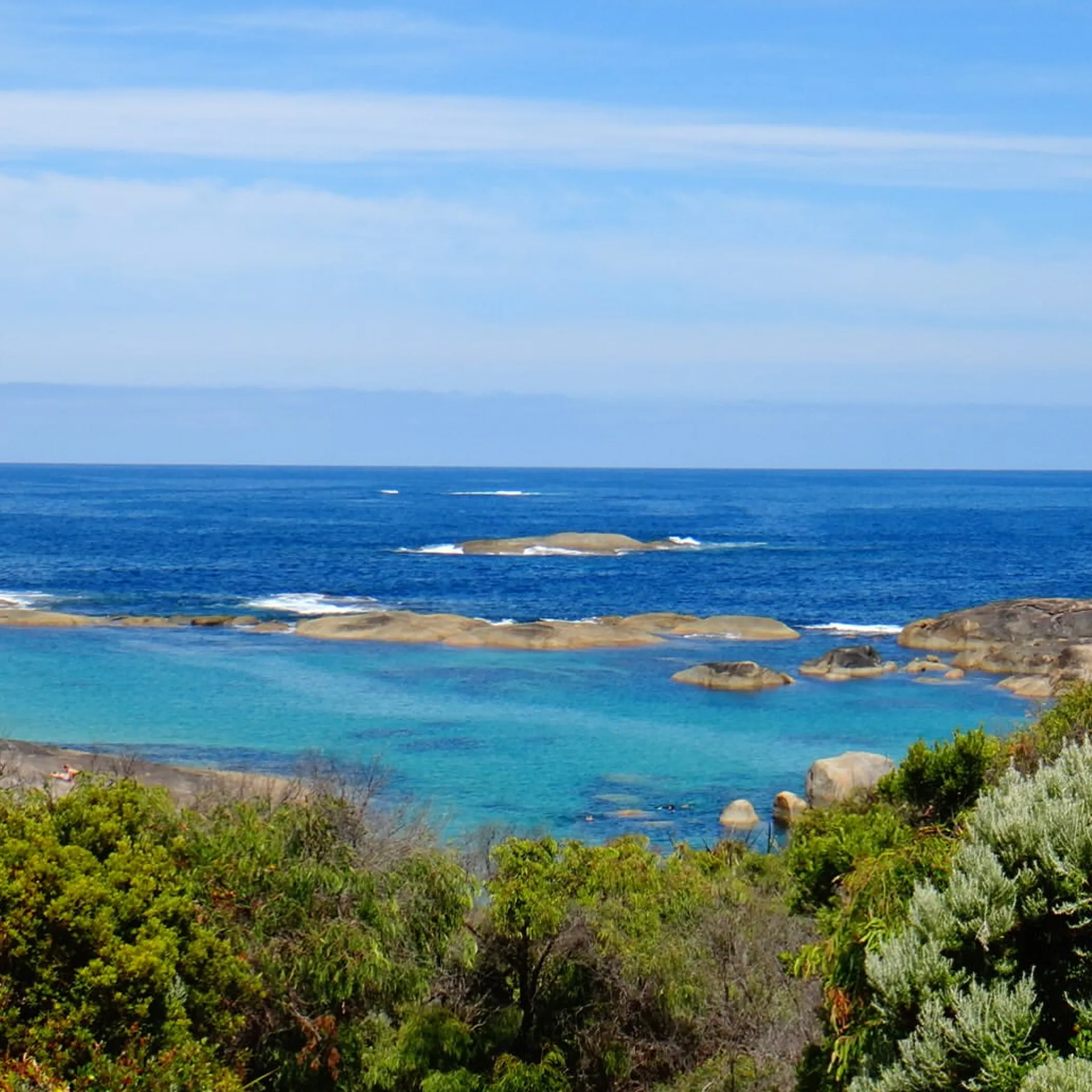
To think of Australia as some compact European country is the worst error in planning. With long distances, the lack of public transport and the odd weather delay a quick transfer can take up the whole day.
Make it a region for a short trip. There are domestic flights between the big cities and coaches, trains or an organised tour to get about. A rental car offers flexibility but be mindful of the parking, fuel and one-way charges.
One Day Only
Confine yourself to a city and its environs. In Sydney a neighbourhood meal, a coastal stroll and the harbour are to be preferred to making a rush of it to Bondi, the Blue Mountains and several museums.
In Melbourne one can opt for the laneways and city centre or head to the region. Brisbane lends itself to a riverside walk, time at South Bank and perhaps the bayside or hinterland. Better to have one area to oneself than six from behind the wheel.
One Week
Pick a major city for your base and throw in a regional spot close by. With time to spare for rest and the odd traffic delay, you can make realistic pairings of Sydney and the Blue Mountains, Melbourne with the Great Ocean Road, or Brisbane and the Sunshine Coast.
If the Red Centre is on the agenda, put in several days and fly to Alice Springs or Uluru as your route dictates. Do not be fooled by map apps when it comes to driving from one attraction to the next; factor in the heat, slow going, photographs and fuel stops and the journey will take its time.
A Reality Check On The Road
You cannot prepare for a remote road trip in the same way as a coastal holiday. Make sure your rental is allowed on unsealed surfaces and that you have the requisite water and insurance. In some places a four-wheel drive and know-how for corrugated roads are a must, along with recovery gear.
I learned early on in my Australian life, on a drive through regional Queensland, how much a closed roadside attraction and a stop for fuel can eat into your day. One does not need to be told to leave room in the itinerary. An extra afternoon is a small price to pay to avoid a frantic night-time drive or missing a flight.
Seasonal Budgeting
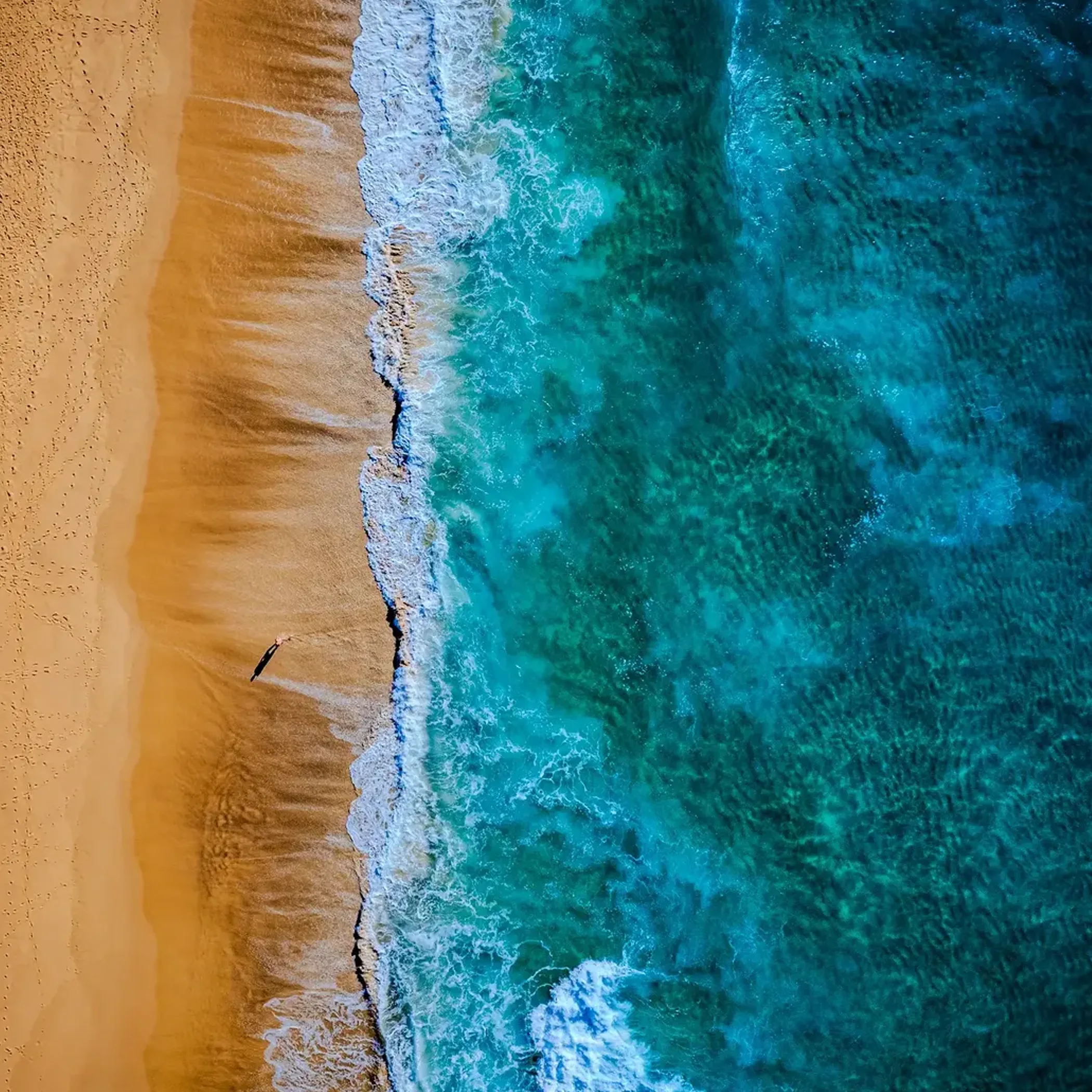
Demand and prices go hand in hand. You will see accommodation and transport run up in cost around Christmas and New Year, during big sporting events or the dry season and school holidays.
Do not rely on a national figure to set your budget; look at it on a regional level. A motel or hostel is not the same as a serviced apartment or a lodge out in the country. And in the more isolated areas food is pricier since supplies have to come from far off.
How much an Australian trip costs is hard to put a number on without factoring in internal flights, vehicle hire, paid tours and peak period travel. Put a buffer in for park fees, luggage, fuel, insurance and any changes the weather may bring. Should you be driving, do the sums on a rental car with all its attendant parking and one-way fees and put them up against domestic flights and transfers. Public transport in the cities and shoulder season travel are good ways to rein in expenditure, as is booking accommodation you can cancel.
Packing For What Is There
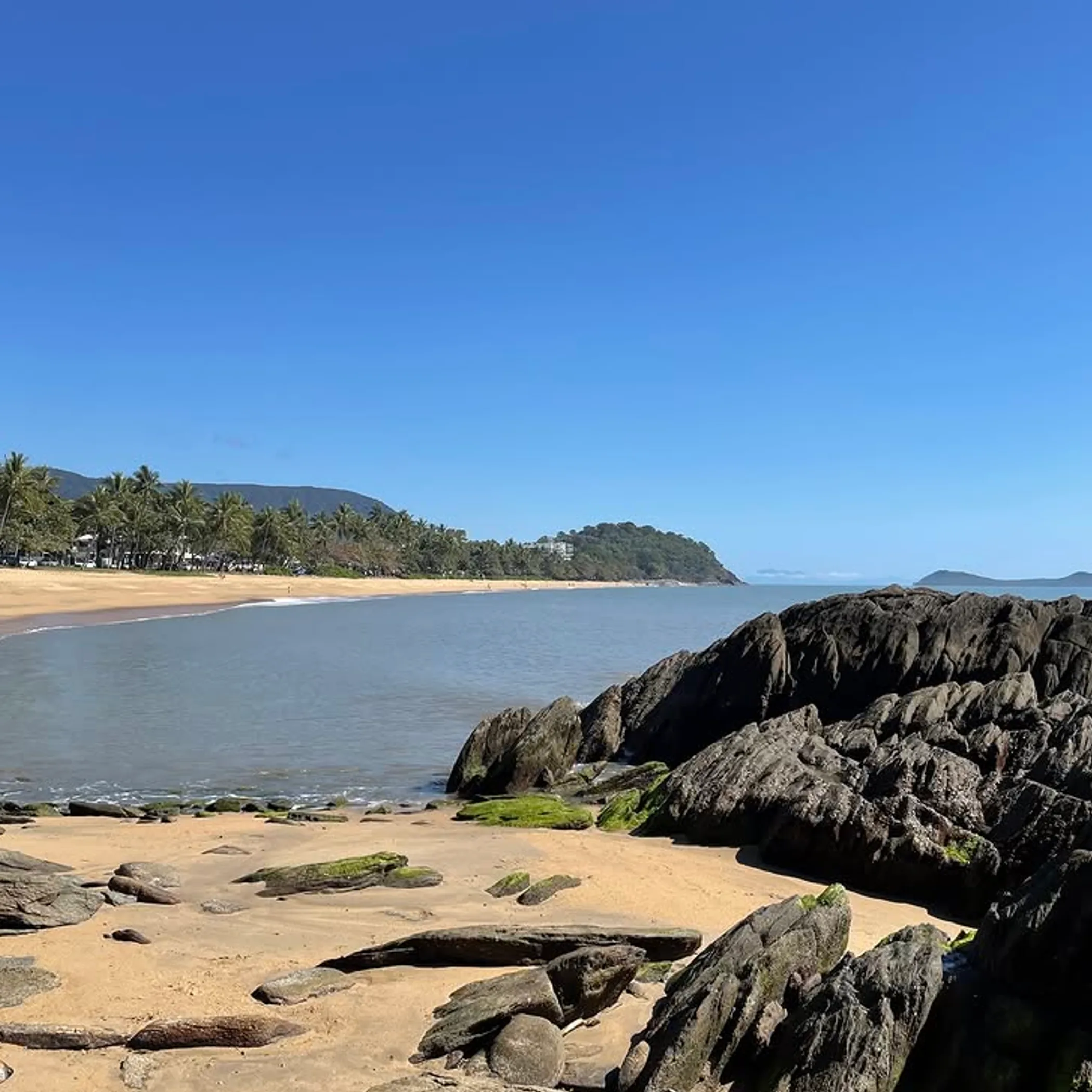
One does not pack for Australia as a whole but for the region at hand. Layers, something for the rain and sun and a good walking shoe are de rigueur for an itinerary that has you in Hobart, Darwin and Uluru.
Your kit should include a power bank, insect repellent, sunscreen and a broad-brimmed hat, a light jacket for the rain and a reusable bottle. Even if the forecast is for a warm afternoon, take warmer clothes for Tasmania or the Red Centre.
- Each morning see what the road conditions and park alerts are.
- On a remote walk or drive, let someone know where you are heading and have water to hand.
- During the northern dry season or school holidays get in early to book the good tours.
- Be prepared to put in some flexible days for the inevitable delays or a bit of an unplanned adventure.
What You Expect And What You Get
The expectation is that it is a sunny country so the weather is bound to be warm, or so you would think. In reality there is snow in the alps, the southern cities will give you sideways rain and winter mornings can be nippy.
The notion that a road trip is invariably cheaper than a plane ticket does not hold up once you add in the insurance, fuel and one-way charges, not to mention the expense for a solo driver.
Or that the dry season is trouble free. Better access in the north is true enough, but you will also find demand is up, accommodation in short supply and tours booked solid.
As for wildlife, they are wild and shy, tending to put in an appearance at dawn or dusk. You might see a lot, or the backside of a wallaby vanishing into the scrub. That is enough.
Some Travel Questions Answered
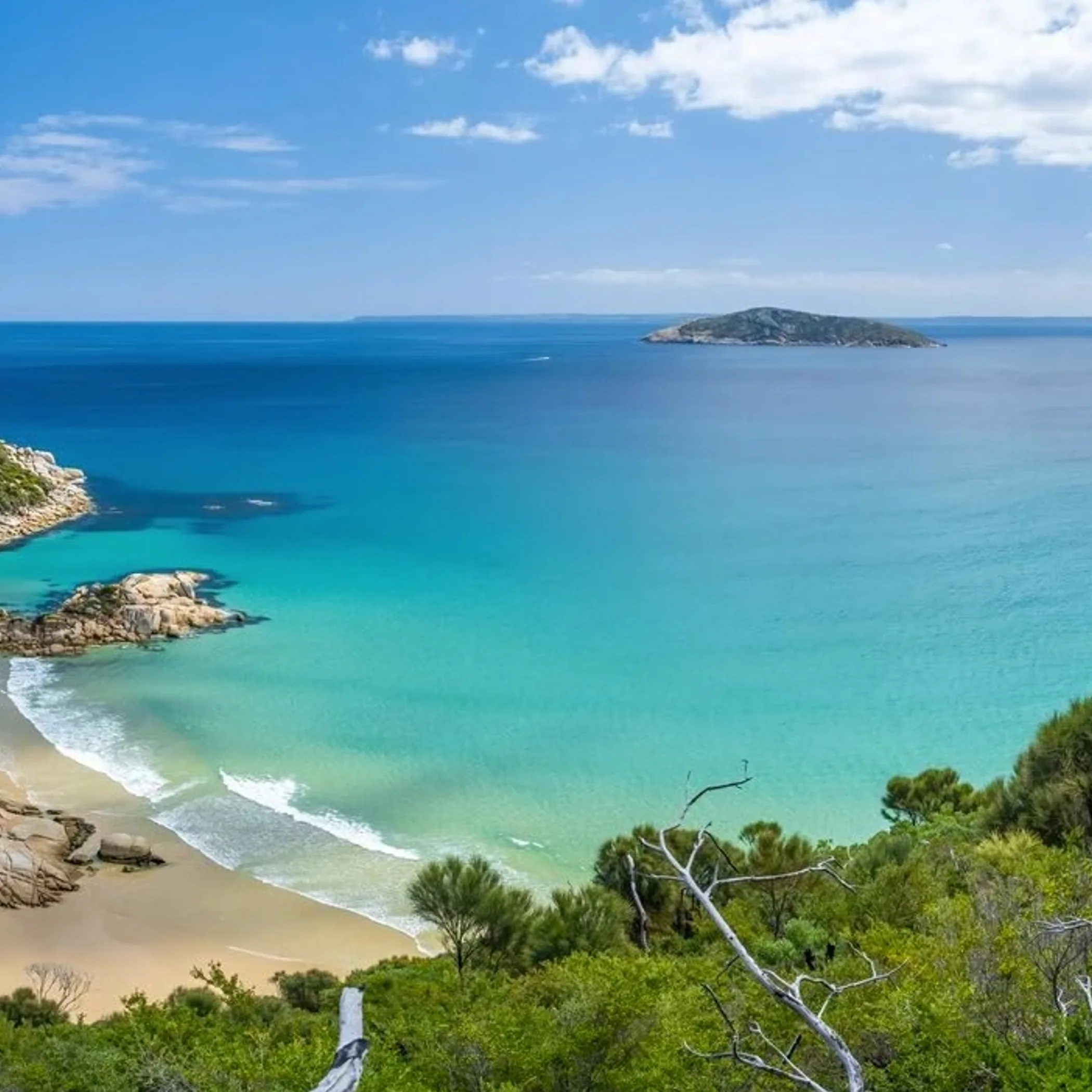
First timers are often caught off guard by the distances and seasons here. The following should assist in making for a more comfortable plan.
Is Summer advisable?
For a coastal holiday or time in Victoria and Tasmania, yes. But inland and in the north it can be trying. Factor in the heatwaves, the crowds from school holidays, wet-season in the Top End and any bushfire restrictions.
When is it cheapest?
There is no one answer for all of Australia. The shoulder periods tend to offer better value than the height of summer or the popular northern months, though supply and local events will dictate the price.
Uluru?
Most will find April through September the most agreeable in the Red Centre. Nights can be cold despite the hot, sunny days. Heed the cultural and safety advice and set off on walks with water in hand.
The North in Winter?
Darwin, the Kimberley, Broome and Kakadu are at their most accessible from June to August. It is a sought after time to be there so have your vehicle and accommodation sorted well in advance.
How far in advance to book?
Several months is wise for the dry season in the north, major events and the festive period. You can be more at ease in the shoulder season but even then the better accommodation and flights in certain places will go.
Making The Timing Right
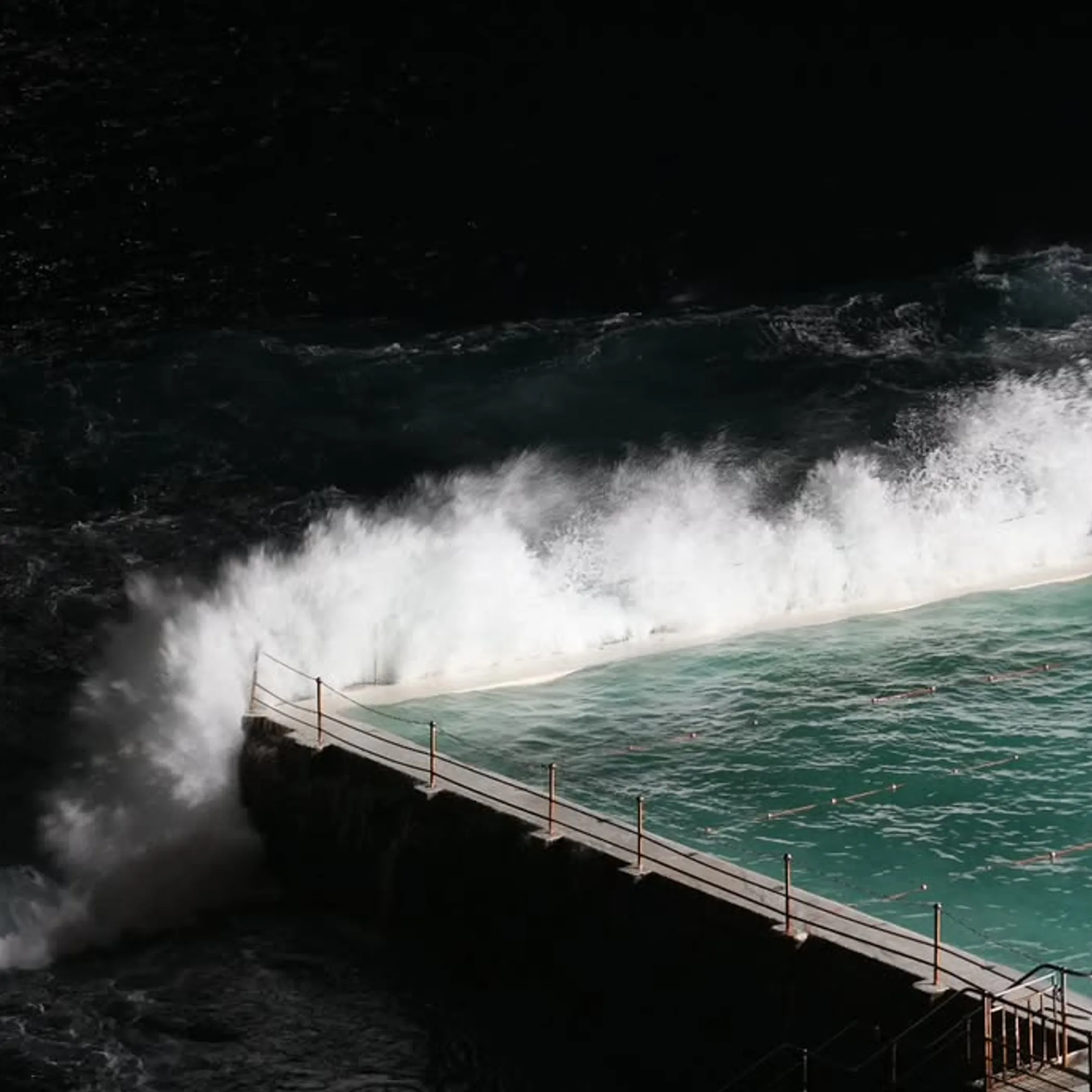
For a well balanced itinerary across the nation in 2026, March to May or September to November is usually best. Reserve the summer for the southern coasts if you are in a position to deal with the fire risk and the crowds; for the Red Centre and northern Australia, June to August is the time to go.
Respect the distances and the weather. Australia has a way of rewarding those who are willing to check conditions and slow down, and accept that the timetable may not always go to plan.
