2026 Safety at Valley Of The Winds
There is a rule of thumb for safety on the Kata Tjuta Valley of the Winds walk: put in a check on the track and the heat before you even leave the car park. Should the temperature run to 36°C the walk will be shut down; with extreme heat in the forecast an 11 am closure is possible. One would be well advised to consider such rules as life-saving rather than a nuisance.
My name is Celeste Mitchell and I have little patience for travel advice that has you packing a camera before it has told you how things really are. The Red Centre is not going to accommodate your itinerary no matter how well you have planned it. Between the dehydration, the steepness, the steps and an absence of shade, a fine morning can become an all too ordinary emergency.
The Closure Rule
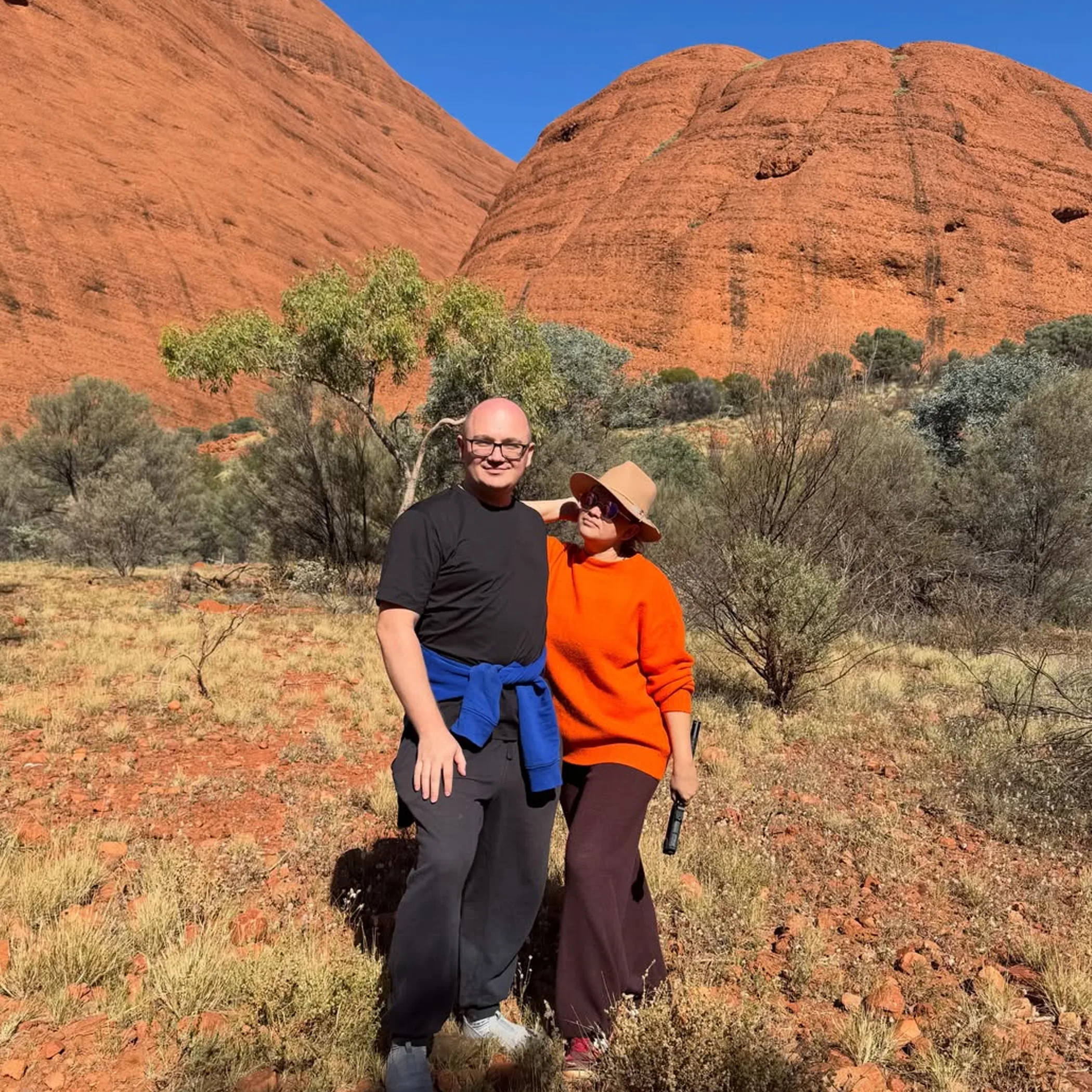
When it comes to heat closures the thing to bear in mind is the disparity between what is forecast and what is actual. Parks Australia will close the Valley of the Winds if the actual temperature hits 36°C or put in place an 11 am closure if the forecast says it is likely to get there. An early-morning forecast is not something to put your trust in; conditions have a way of changing. The entrance to the track is where you will find the truth of the matter. For more context, see the Uluru base walk guidelines. Make sure to look up the latest from Parks Australia’s Uluṟu-Kata Tjuṯa National Park information.
Actual Versus Forecast
A forecast is only a prediction. It is the actual temperature that will tell you if the threshold for closure has been met. This is important because you could set off in the morning in good order and find it unsafe once you are out in the open.
If an 11 am closure is in effect, you need to plan your time accordingly. Factor in parking, a water check, the odd photograph, a rest and getting back. Bushwalking clocks are optimistic things, so 10.55 am is hardly a sensible time to be leaving the trail.
How Difficult Is It?
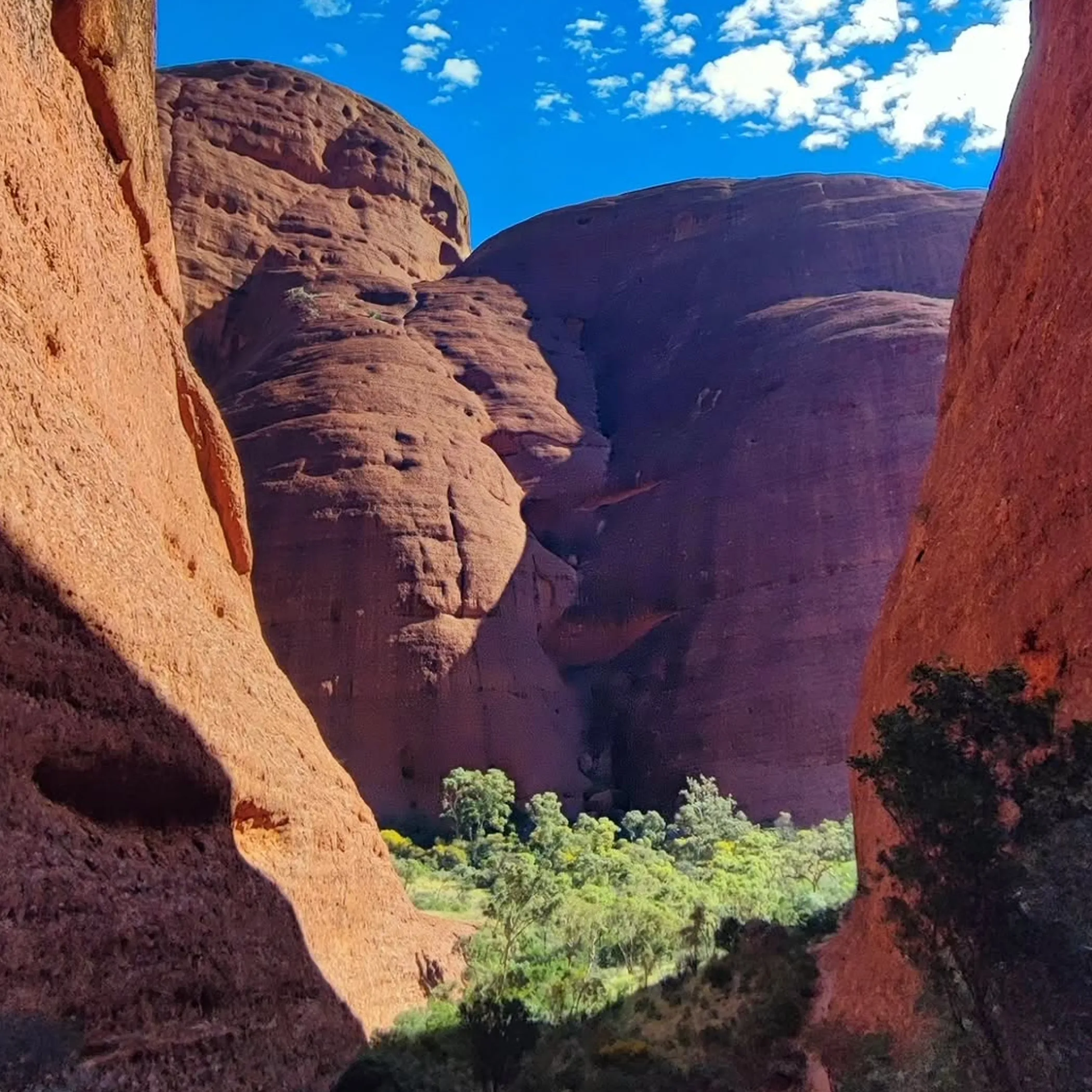
Call the Valley of the Winds walk moderate to challenging. That depends on your fitness, the heat and how often you stop. You will encounter uneven ground and steps with not much in the way of shade; the terrain is neither flat nor forgiving in dry weather. It is no casual stroll to a lookout. There is enough uphill and rock to require some fitness, though those used to walking on uneven tracks should be fine in the right conditions. A beginner might be hard put by the hills and the heat in a way the distance does not convey.
| Section | What To Expect | Who It Suits |
|---|---|---|
| Valley entrance/early track | Gradual effort, exposed to the sun and uneven ground | Visitors who have sensible footwear and water |
| Karu Lookout | Rising ground and rocky walking, a good place to turn around | Those after a shorter day |
| Karingana Lookout | Steeper and more demanding with added exposure | A confident walker in safe weather |
| Return | Fatigue and the heat will be worse coming back | Provided you have conserved your energy and water |
Take the table as a guide for your planning but do not let it supersede what the signage says. Track conditions and local advice are subject to change. If you have someone in your party who is unwell or inexperienced with the heat, or is making slow work of it, turn back while the track is still a non-issue.
Where Visitors Err
They will judge the walk on distance. One kilometre in the Red Centre is not like a flat one in the suburbs with a café waiting for you. After an hour the camera bag seems to put on weight and loose surfaces will see you put in less time.
Then there is the tendency to make of Karu Lookout a finish line. It is a perfectly reasonable option for a shorter walk but you must still think about the journey back. That is when you will find the tired ones have put away their water, are in a hurry to get down or have realised their shoes are more of an ornament.
Hills And Heat
Preparation is a bore until it is not. Get an early start if you can, drink ahead of thirst and do not make a contest of it. Before you know how unwell you are, the heat can cloud your judgement. Plan on a litre of water an hour per head in the heat as a working figure, and from there make allowances for age, medical requirements, your own physique and the pace you are setting. It is a baseline for planning purposes, not an assurance. Those who are unaccustomed to the desert or put in their walking when it is warmest will want more than that, as will a more leisurely walker.
Spotting Dehydration
Thirst, a headache, a dry mouth, lack of concentration and an odd sort of fatigue can be the first signs. Then there is heat stroke which is of a different order; one may see confusion, very hot skin, a change in consciousness or even collapse. Should someone stop responding in the normal way or is too confused to put one foot in front of the other with any safety, it is an emergency. Get them out of the sun and cool them down in a measured way, then put in a call for help in accordance with the park’s emergency protocol. There is no point in pressing on to the next lookout, the red rock is not going anywhere but your friend is.
Electrolytes will put back some of the salts you have sweated out yet they are no substitute for water and do nothing to counteract the heat. Any traveller on medication that upsets fluid balance, the elderly, children or those with pre-existing conditions would be well advised to get the opinion of a doctor before a strenuous walk in these conditions.
Be Conservative With Your Schedule
An itinerary should account for more than the time spent on foot: the drive out of Uluṟu, parking, the toilet, a few photographs and the trip back. When the weather is forecast to be hot or the group has little experience, it is better to concentrate on the opening part of the route than to try and cover it all. For a single day at Uluṟu-Kata Tjuṯa National Park, decide in the morning. If the Valley of the Winds Walk is open and you have the water and everyone is in good form, take it. If not, Walpa Gorge or something else will do and you will have the rest of the day to show for it.
What to Pack on an Exposed Track
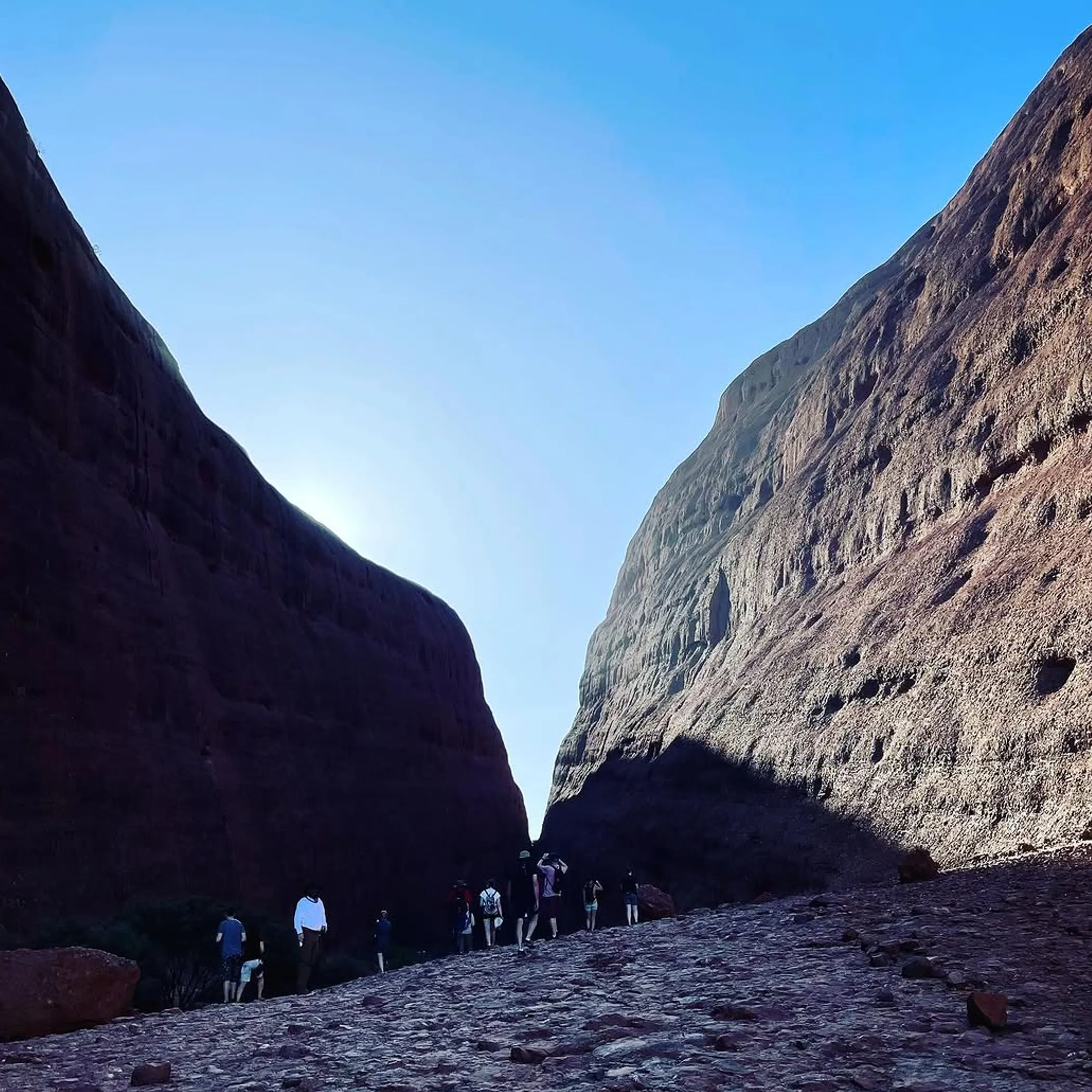
You will not be invincible with the proper equipment but it does sidestep some trouble. Make sure your walking shoes are of a sturdy make with a good sole for the steeper ground near Karingana Lookout. From the outset you need sun protection in the form of a hat with a wide brim, sunglasses, sunscreen and light clothes to keep the sun off. A phone comes in handy but do not count on reception in every spot; have the recommended emergency devices or know the park’s arrangements.
- Water for the whole party and some in reserve.
- Electrolyte or rehydration supplies if you are in the habit of using them.
- Your sturdy shoes, hat, sunscreen and glasses.
- A fully charged phone and basic first aid.
- Some food and the means to turn back early.
Leave no rubbish or food and do not rely on a vending machine to put right any shortfalls in preparation; what is available and when will differ at times other than the peak season. The same goes for Yulara where transport, meals and accommodation are subject to seasonal variation, so verify prices. Confirm pass costs and entry rules with the official park information prior to your visit.
Getting To Kata Tjuṯa
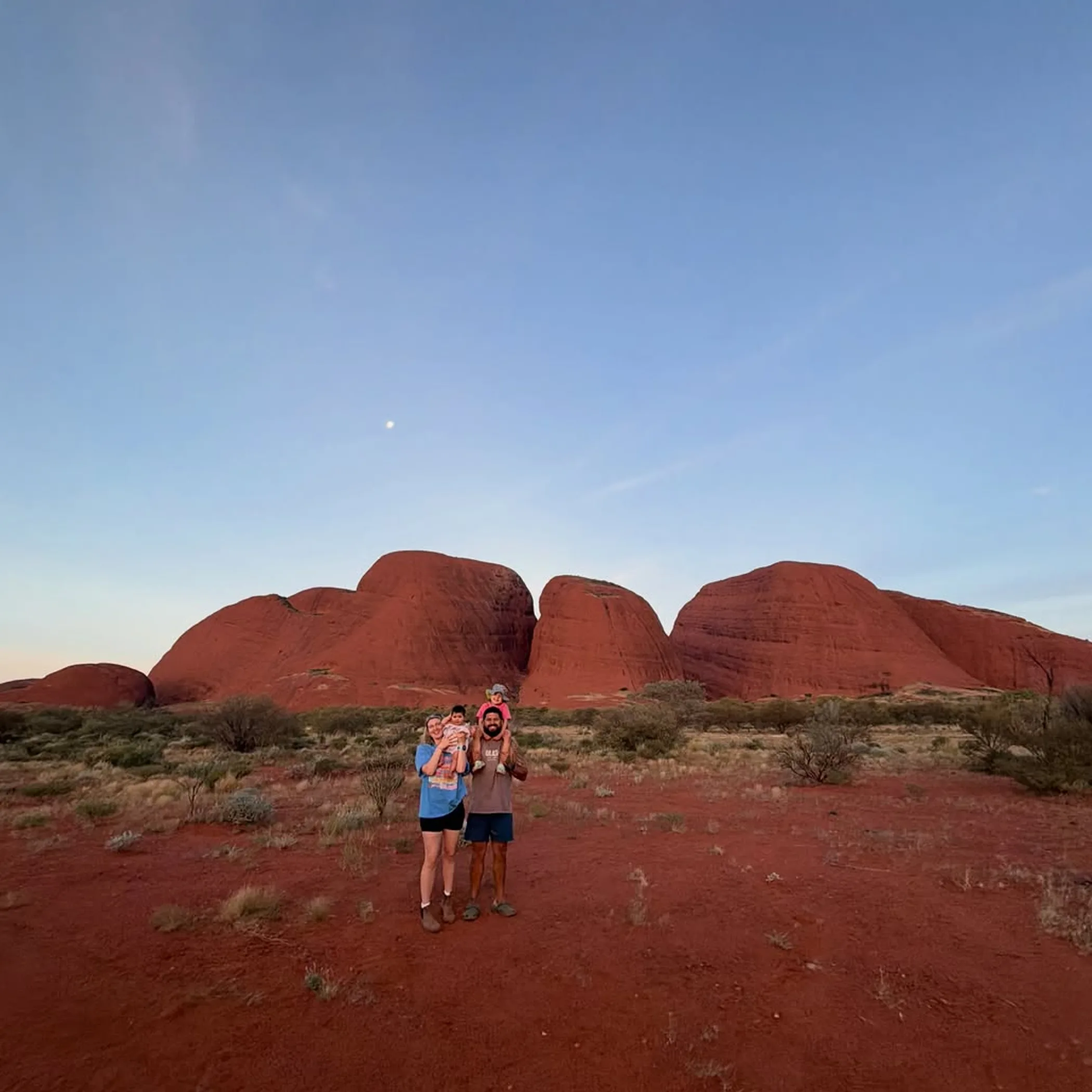
The road from Uluṟu and Yulara is how most people make the journey. Whether by hire car, an organised transfer or a guided tour will come down to your plans and where you are put up. A car of your own is preferable for an early start, a tour has its advantages when it comes to getting around and for the cultural perspective. Do not be fooled by a simple itinerary into thinking the two are adjacent; if you are coming from Uluru factor in the extra time. A late start on such a long drive risks running up against a heat closure or having to walk in the worst of it.
Stick to a Simple Plan for the Track
Nothing beats the map for the Valley of the Winds at the entrance to the park to tell you about lookouts, facilities and where the track leads. A screenshot on a phone is fine for reference but not a replacement for what the staff or the signs say. Let someone know your intentions and return time if you are on your own. Put your keys and phone away where they will not be lost. In a busy car park it is wise to note where you have left the vehicle, once you have done the hills and taken the heat all the white hire cars tend to run together.
When the Valley of the Winds Walk is not open, it is Walpa Gorge that most visitors will turn to as an alternative.
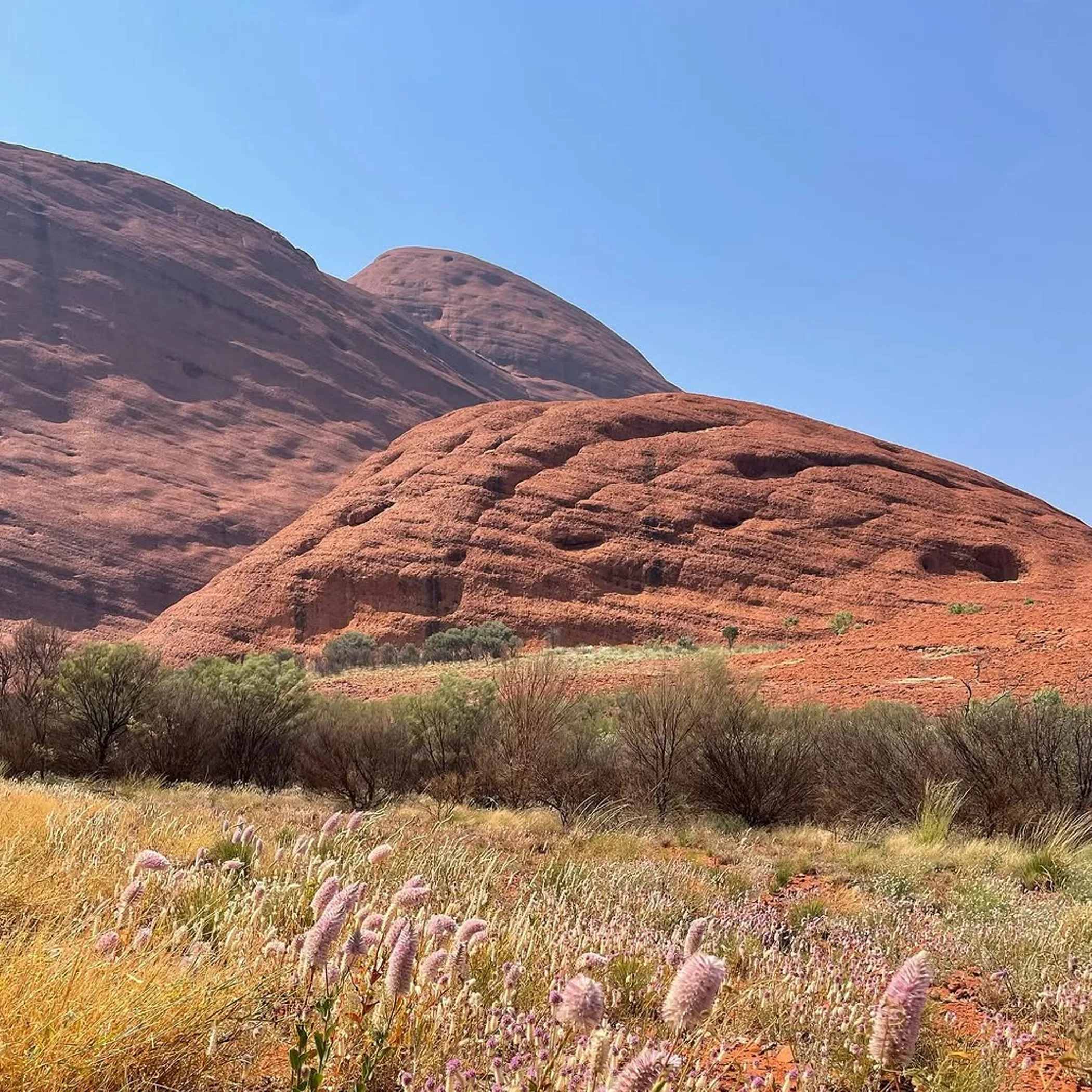
Whether one opts for the Valley of the Winds or for Walpa Gorge is a matter of what the track is like at the time, the day’s conditions and how much time and fitness you have to spare.
Walpa Gorge offers something more contained and of shorter duration, yet do not mistake “shorter” for being without risk; there is still the sun and heat to contend with, uneven ground and the effort of the walk. Do not make the assumption that all Kata Tjuṯa tracks are in the same state, verify the status of Walpa Gorge on its own merits.
One-Day Priority Options
Time being short, put first the open walk your group is capable of. A closed route in the Valley of the Winds is no reason to put in a hasty or unauthorised detour. Should Walpa Gorge be open, take your time with it, peruse the cultural information and ensure you have the time to get back. You might also consider an approved guided activity, a trip to Uluṟu when the time is right or simply viewing Kata Tjuṯa from the roadside where allowed. Park staff and tour operators can advise on what is available. But a closure is not to be outwitted.
Respect Culture And Photography
Kata Tjuṯa is as much a living cultural site as a geological one. Observe the signs and any restricted zones, such as a sacred men’s area as designated by the park, and remain on the marked track. It is only part of travelling with respect.
There are guidelines for photography which are dictated by the location and can be altered for cultural reasons. Heed the signage as to where it is acceptable, never put a drone in the air unless the authorities have given leave and do not photograph anyone without their say so. If a sign prohibits it then it is prohibited, heroic light notwithstanding.
Uluru is no different. Make sure you have read the base walk guidelines before you set about your plans and abide by them. To be respectful is to accept you will not have access to everything.
Valley Of The Winds Questions
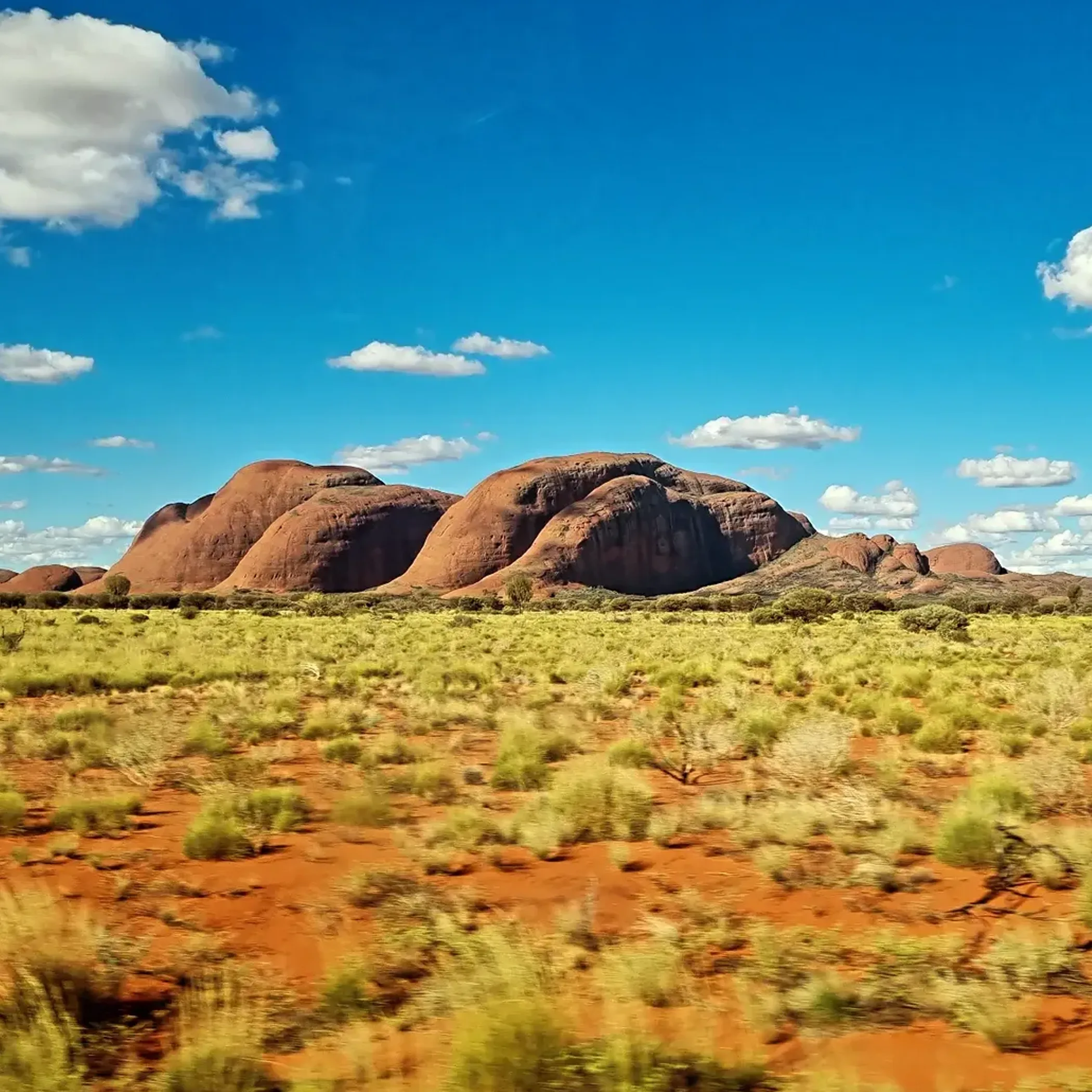
Travellers to Kata Tjuṯa tend to ask the following. The answers here are straightforward but one should consult the park for the latest word as track status and heat closures have a way of changing in the course of a day.
How Hard Is The Walk?
With the steps, the steepness, no shade and the heat, the Valley of the Winds Walk is anything from moderate to challenging. Those not used to the outdoors or already finding the going hard in the opening section would be better off elsewhere. Karingana Lookout demands more of one’s energy and confidence than Karu Lookout, which is a viable option for a shorter outing.
Is Uluru Closed?
Not necessarily. Uluṟu and Kata Tjuṯa are separate entities with their own conditions and tracks. Access to some areas may be curtailed by maintenance, weather, an emergency or for cultural reasons, so check each one.
Can You Take Photos There?
Park and cultural rules apply and they are location specific. Comply with staff and the signs. Just because you are at a permitted vantage point does not give licence to photograph every feature or person in sight.
How Far Is Uluru From The Olgas?
They are not adjoining lookouts to be planned as such. The sealed road between Uluru and Kata Tjuṯa (the Olgas) is a drive of some substance. Factor in your schedule, stops and the road itself for an accurate timing.
What Happens At 36°C?
The rule is that the Valley of the Winds will close once the temperature is 36°C. On the strength of a forecast it could be shut as early as 11 am. Check the track when you arrive and before you go.
Make The Safer Choice
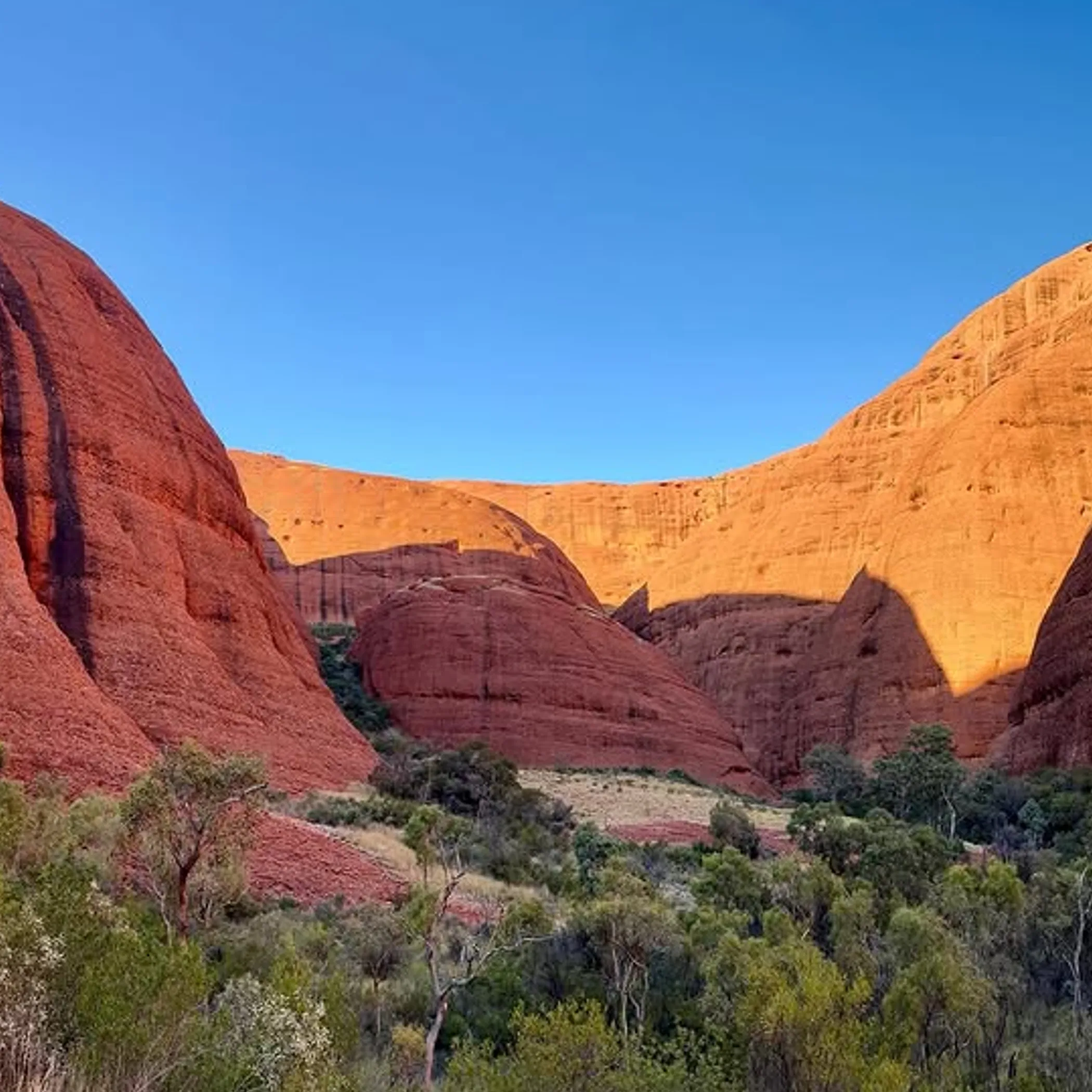
A good plan for the 2026 season at the Valley of the Winds is one with some flexibility. Start of an early hour if you can, have enough water and the right protection from the sun and do not try to haggle with the thermometer over a closure.
Patience is well rewarded at Kata Tjuṯa. If the Valley of the Winds Walk is open and you are ready for it, see it out in a steady fashion and quit while you are ahead of any danger from fatigue. If it is off limits, put in a respectful time at Walpa Gorge or another sanctioned spot and put off the full walk until conditions are safer.
