Victorian Parks: The Best Time to Go
For the most part you will find March to May the ideal time to be in a Victorian national park and put the wet season behind you. Late summer and early autumn are when one can count on a dependable combination of drier days, temperatures that do not overheat and hiking that is not a chore. It is not as though Victoria has a tropical wet season like you would see in the Top End, but with its share of winter fronts, spring storms, snow and wind off the coast, a trip to the park can get quite damp.
Celeste Mitchell here. I have come to understand that what the national park forecast says is only part of it. An exposed ridge will see a sunny morning give way to an afternoon of sideways rain, and a track deceptively easy on paper will be all but unmanageable after a few rainy days. Be as particular about the region as the month of your visit. Before you make the drive from Melbourne, check Victorian national park road lists, have a look at Parks Victoria for any updates and factor in time for the odd wrong turn or a stop at the toilet on slow roads.
The Drier Travel Window
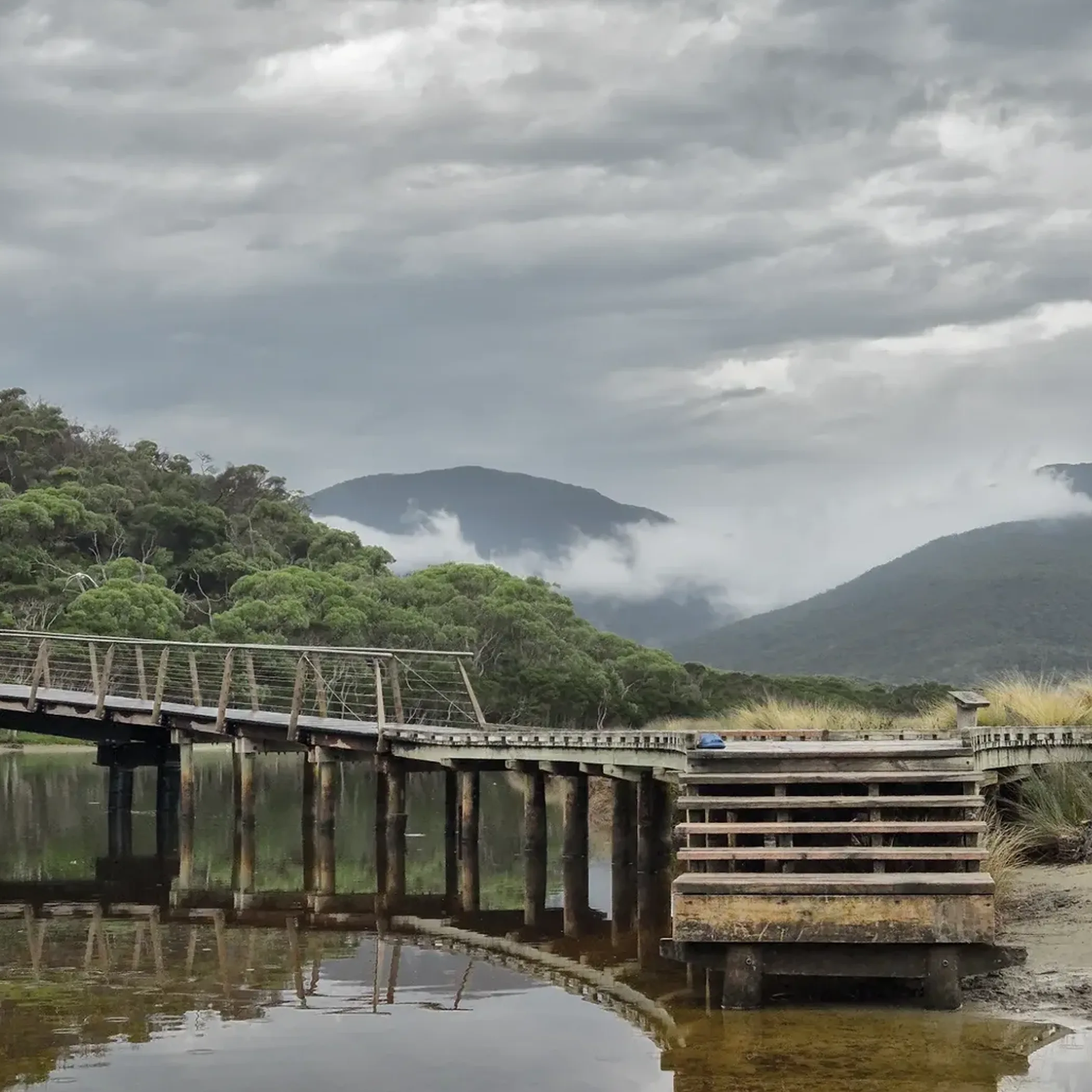
Generally speaking the window from March to May is best. You will have better going for long walks, camping or a scenic drive than in midsummer and the weather is more settled than in spring. Northern and western Victoria are amenable in late summer too, provided you are not put off by the heat or the prospect of bushfire and attendant closures. For those wanting some variety without having to pack their entire wardrobe, autumn is the wiser choice.
What makes March to May so good for a Victorian itinerary is that it covers both a coastal road trip and an inland hike. One can still get on alpine tracks before the snow comes and Wilsons Promontory is not as busy as in the school holidays. Then again there is no guarantee of dryness; heavy fronts will come through the mountains and coasts. What you do have is a balance of comfortable walking and fewer hot days to speak of, unlike the sort of wet and stormy interludes that can scupper spring plans.
It is all too common to plan by the calendar and be proved wrong by the forecast. A three day jaunt in autumn may well have a soaking day in it, so be flexible and leave your longest walk for earlier in the day rather than the last afternoon before heading home.
Picking Your Region
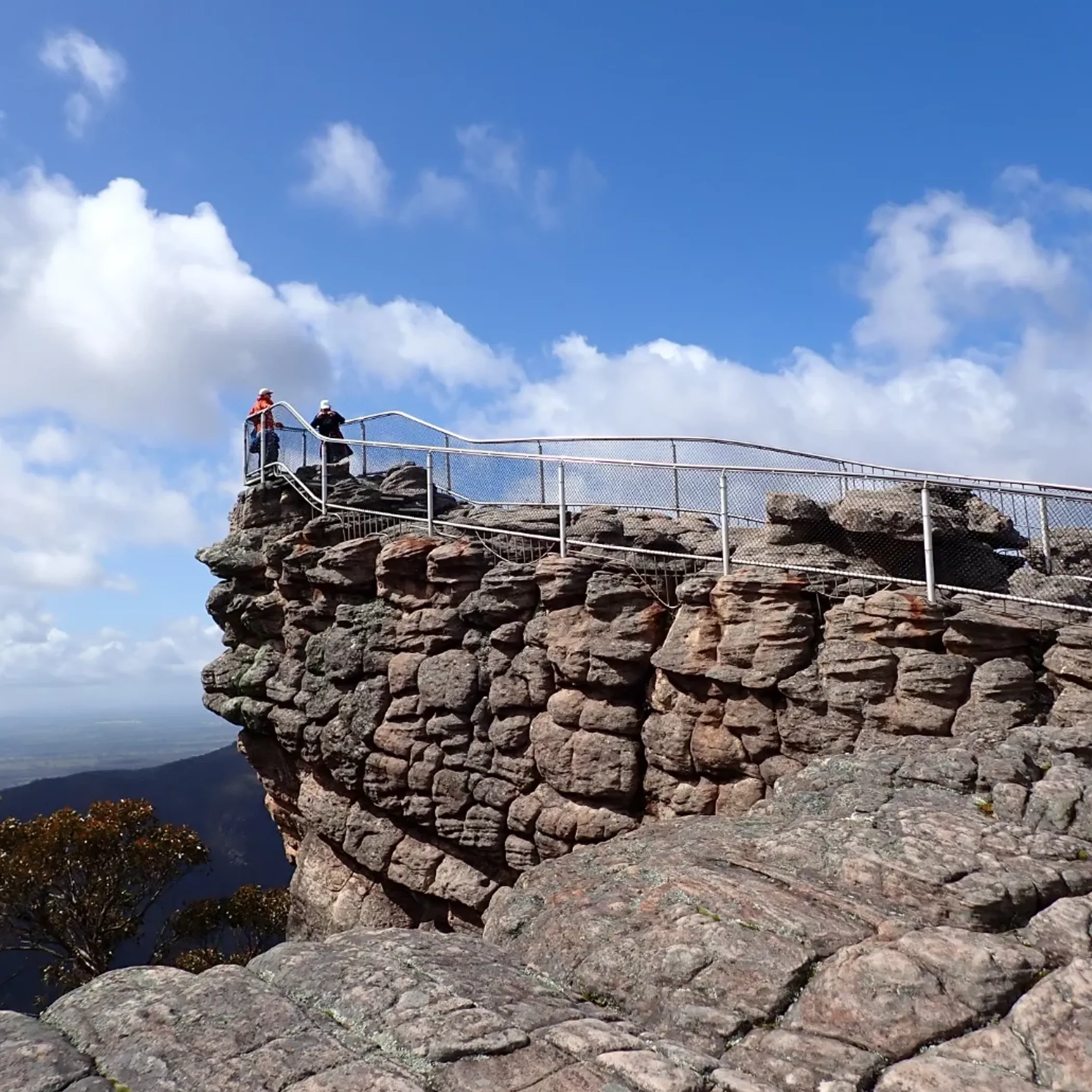
Victoria’s parks are in widely varying weather zones, from open mallee and rainforest to the drier ranges west of Melbourne and alpine country. Your destination ought to dictate your driving, your packing and what you have in reserve. Consider the following a regional weather map put into words:
| Region And Parks | Useful Travel Window | What To Expect | Important Watch-Out |
|---|---|---|---|
| Alpine National Park | Lower and mid-elevation in late summer/autumn | Open ridges, cooler air and mountain weather in flux | Unsealed roads, snow and ice, track closures and spring melts |
| Great Otway National Park | Late summer to early autumn | Waterfalls, rainforest and the cool of the coast | High rainfall and its slippery tracks |
| Wilsons Promontory National Park | Autumn, early summer (check forecast) | Beaches, coastal walks and winds that change | Tides and exposed areas where swimming is not safe |
| Grampians National Park | Autumn and late spring to steer clear of the heat | Rocky ground, broad lookouts and cool mornings | Steep terrain, wind and the occasional closure |
| Little Desert National Park | Mild spring, autumn and winter | Sandy bush tracks and drier conditions | Not much shade or services in the vicinity and the summer heat |
Alpine And Mountain Parks
Road conditions and altitude will tell you when to go to Alpine National Park. While late summer and autumn are typically straightforward for the lower alpine, the higher up you go the more likely you are to encounter snow and wind even out of season. Spring has a way of being misleading; expect high creek crossings and muddy roads from the snow and spring melt, if not damage to the alpine tracks. In the depths of winter ordinary two-wheel-drives are no match for some of the seasonal road and track closures.
Do not assume the mountains are being sensible because the sky is blue in Melbourne. Verify the status of the track first. If it is a one-day affair, a shorter walk at a lower elevation off a good access road is the way to go. When conditions are such that one is navigating unmarked alpine country in the dark of poor visibility or with dropping temperatures, a protracted summit route is not for the novice.
Rainforest And Southern Coast
One will find late summer and autumn to be the time to make for Great Otway National Park; it is an opportunity to put in some rainforest and waterfall walking without having to endure the worst of the year’s cold and wet. The Great Otway is still among the wetter parts of Victoria however, so do not take any rain as a slight from the weather gods but as part of the arrangement.
Your walk will dictate whether you set out from Apollo Bay, Lavers Hill or one of the inland roads to the waterfalls. Factor in more time than the mileage on the road would have you believe, given the wet underfoot, wildlife, cyclists and the twists and turns. An overnight on the coast makes more sense than a hasty return to Melbourne after dark to end up with a very long day.
Autumn at Wilsons Promontory is conducive to good walking and spares you the heat troubles of other times of year, though the coastal wind is to be reckoned with. Make sure you have drinking water to hand and look at the tides if there is beach to be had. A car park may be placid but do not read into that as an invitation for safe swimming at an exposed beach.
Northern And Western Parks
The winter and early spring months are better in northern and western Victoria where the inland is milder than the high country. Those who would rather not be on mountain roads will find Little Desert National Park to their liking for open bush, drier tracks and birdwatching.
As for Grampians National Park, the height of summer is less comfortable than a mild spring or an autumn day. There are steep rocks and uneven ground on many of the walks, and they are exposed in places. Put on shoes with a good grip, have your water and make time for a rest or two; distance is not the only measure of a walk.
These are sound options for those wishing to keep the odds of a downpour low, but they are not immune to the elements. A plan can be undone in short order by a storm, strong winds, heat or a closure on the road or track.
Victoria’s Seasonal Conditions
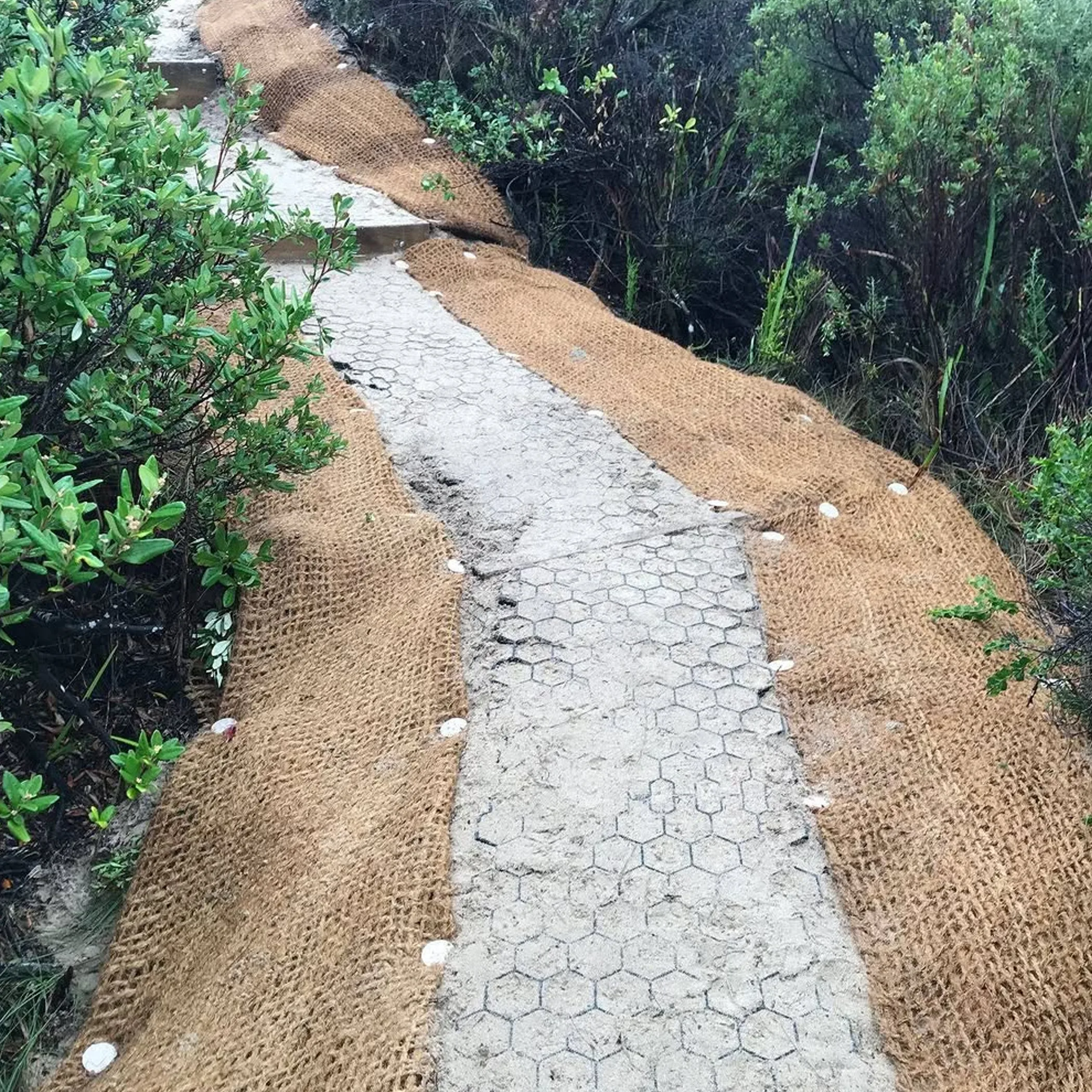
Weather in the national parks of Victoria has a way of turning on short notice. It might be grey over Melbourne while the west is dry, or a warm morning in the interior will turn to cold rain as you get to the coast.
Treat seasonal patterns as something to plan around, not an assurance. See what the official forecast has to say for your area of interest before you leave, and any fire warnings or alerts on the park and its tracks.
Summer: Heat And Access
The long days of summer are when you can get to the higher alpine areas before the winter sets in. But you also have to contend with the heat, flies and mozzies, crowded campsites and the prospect of a bushfire closure.
Get an early start on your walk and eschew the ridges when it is at its hottest. Take on more water than seems necessary. Should a closed gate put a stop to your route because of a fire danger rating or otherwise, pick another destination. You will not have much luck trying to reason with a gate.
It is the season for the traveller able to work with the conditions, not for anyone wanting a set itinerary and quiet, let alone guaranteed access.
Hiking In Autumn
For all round hiking in Victorian national parks autumn is hard to beat. The light is softer and a long walk is not as much of an ordeal as in the January or February heat.
Then again the weather can be changeable. I have been known to put on a light shirt for an autumn outing and be done in a rain jacket and muddy boots, with the thought that a little icon on a forecast does not do much for you out in the field. So pack a waterproof and some warm clothes, sun protection and a pair of dry socks.
Road trips through the parks are good value in autumn since you are not always in search of shade. Be prepared for the odd slow bend or roadworks en route to the coast or alps.
Cold And Rain In Winter
The mountains and the southern parks see the brunt of the winter rain. An exposed route with the wind and rain up will be anything but pleasant, though a short walk in the vicinity of town can be fine.
There is nothing to preclude a visit to the national parks in winter. For misty forests, waterfalls and some peace in the inland it can be first rate. The downside is the lack of daylight and the effort a wet track demands. Keep your plans conservative and be finished well before nightfall.
In the back country do not count on your mobile. Have a map in hand when you need to navigate; a downloaded version is all well and good but a dead phone is just a black tile. Make sure it is charged and you have a backup, and let someone know where you are going.
Flowers, Fresh Growth and the Unpredictability of Spring
The season is a time of longer days and wildflowers, yet it has its share of uncertainty in the form of strong winds, more rain and track conditions that are not to be relied upon. In the Alpine National Park and other high-country there can be lingering effects from snow and spring melt.
For the flexible sort of traveller with an appreciation for natural colour and no objection to altering plans, spring is fine. Not so much for those who want to put in on a dry, firm track day in and day out. A realistic outlook and water-resistant shoes will stand you in better stead than an itinerary with everything down to the minute.
A Safer Way to Plan Your Park Road Trip
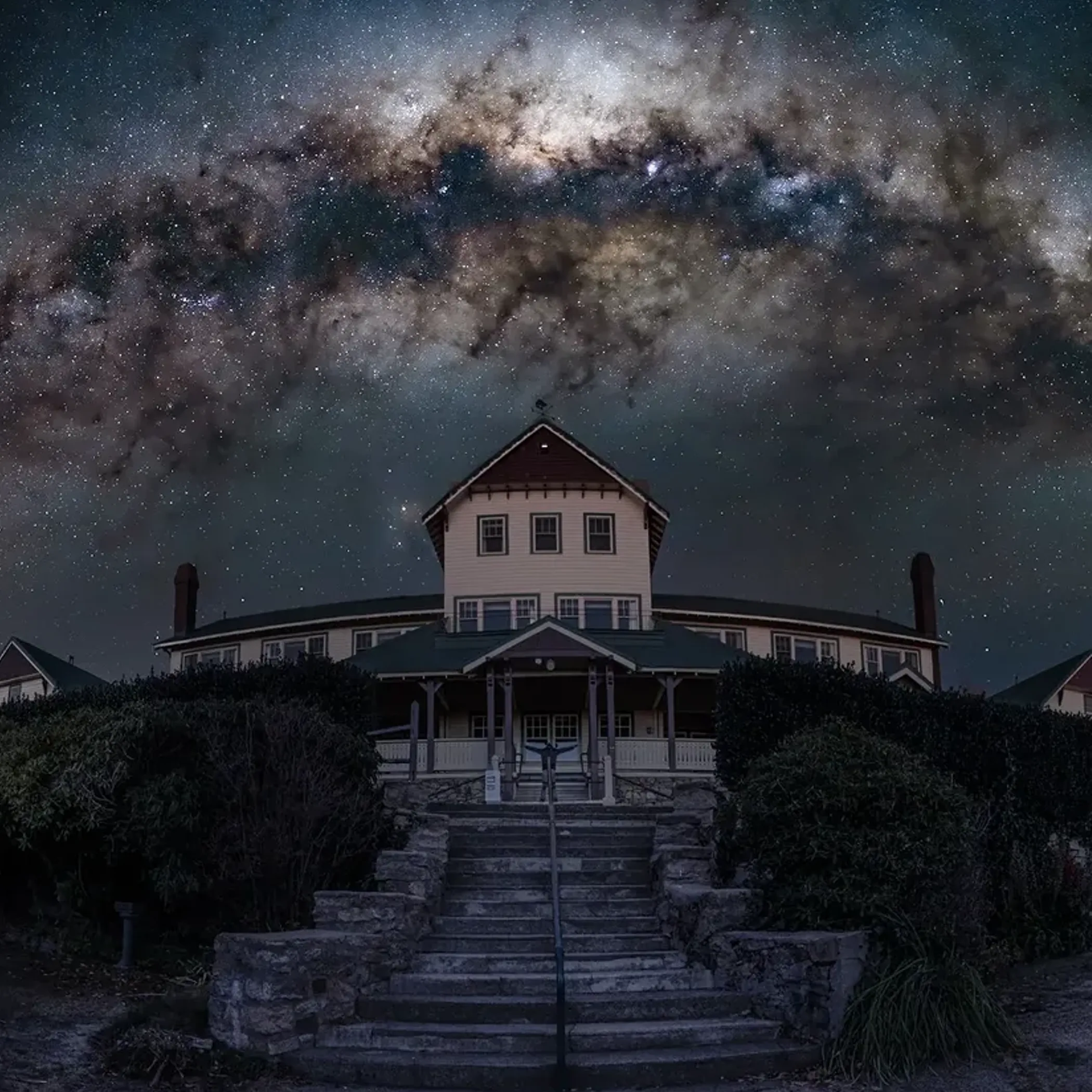
Logistics are as important as the season when it comes to making a park trip a success. All too often visitors make the error of thinking every road is sealed or underestimating the drive, and then have to make the return after a walk with tired legs and waning light.
Parks Victoria’s official information and any outstanding alerts should be your first port of call before you head out. Make sure you have the details on access and conditions from Parks Victoria. On the day of travel, verify any local restrictions, toilet facilities, campsite set up and seasonal or road closures.
Have an Itinerary With Some Give
Pick a primary walk and a shorter one to fall back on. Should the weather turn or a closure put paid to your intentions, the day is saved. And you will not be making the mistake of trying to fit three parks into a schedule that is only orderly on paper and falls apart at the first slow stretch of road.
- Do your homework on the forecast, fire and track status.
- Be sure to have food, water, a charged phone, sun protection, a waterproof and some first-aid to hand.
- If you are in remote alpine country or where the signposting is poor, let someone know your route and when to expect you back.
- Check that small regional towns have opening hours to suit for fuel and provisions.
- Observe the rules for dogs, drones and vehicles; a closure is not to be circumvented.
On Travel Time and Costs
Whether you are camping or not, costs for accommodation and transport will differ. Even a day trip from Melbourne calls for a sensible budget for fuel and parking, and a buffer. You can be half a day into a return from an alpine or coastal park and have not covered a kilometre on foot.
While public transport is an option for some town-based access points and select parks, a car or tour is needed for most trailheads. Renting a car affords flexibility but do not put a standard hatchback on rough unsealed roads without reading the hire agreement.
One day is best spent in a park like Wilsons Promontory or Great Otway where you can remain close to the section you have picked and have a dependable way back and a clear access point. The Alpine National Park is something for another time unless the weather is stable and you are familiar with the roads.
What You Expect and What the Track Delivers
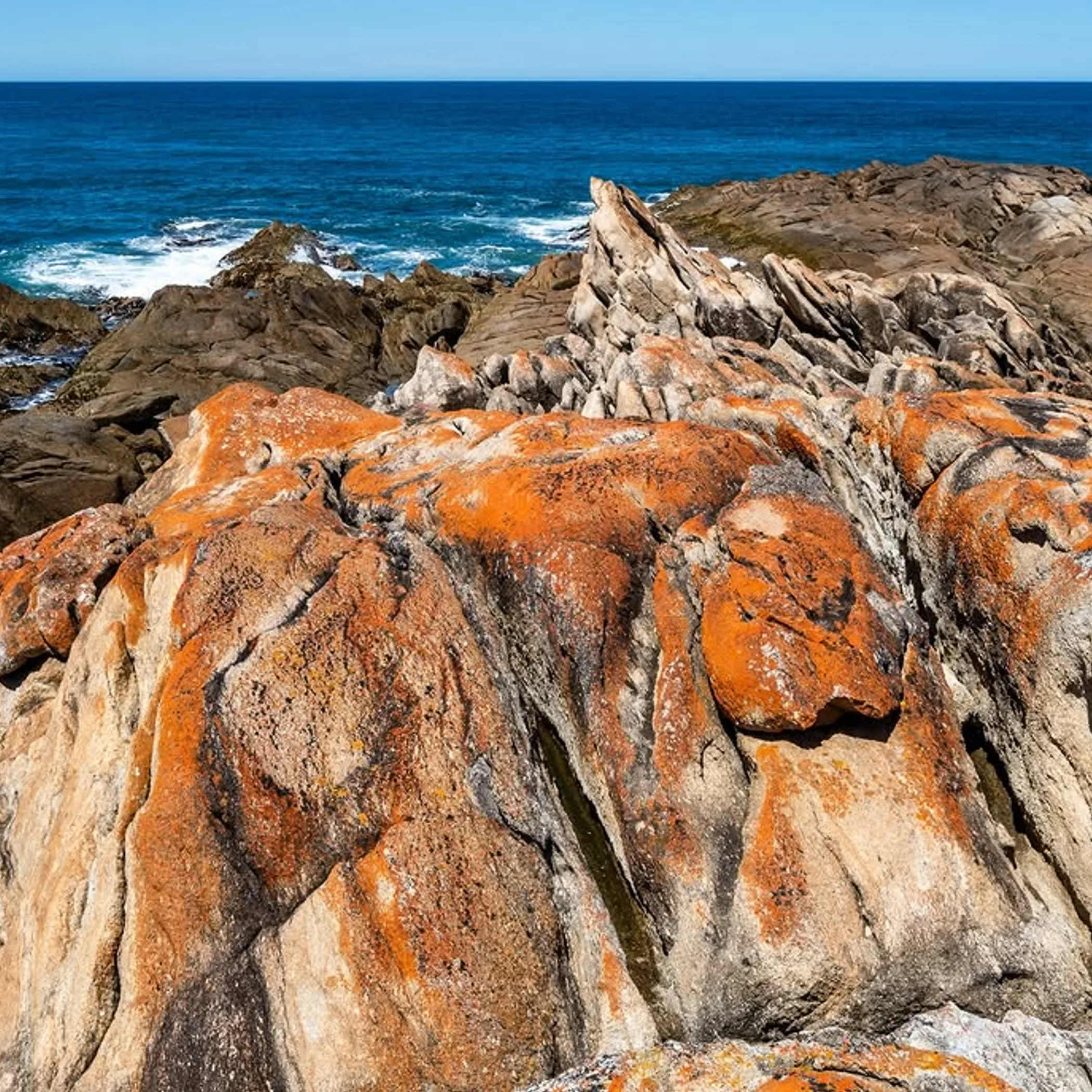
You may think autumn is a guarantee of sunshine. In Victoria the odds are in your favour but cold fronts, rain and coastal winds are still possible.
A short walk is supposed to be easy. Steep rock, mud and loose surfaces can prove otherwise and put a physical strain on you.
Relying on the park website for all your planning? Access can be altered by a storm or maintenance, so look at the latest alert.
Your scenic drive will not stick to the clock. There are photo stops, wildlife, narrow roads and roadworks to contend with. Put in a margin for the drive back to Melbourne instead of banking on a heroic coffee at the servo.
Some Questions We Are Asked
Worst of the weather in Melbourne?
It is changeable all year round so you will not find a month that is off limits for every Victorian national park. Winter tends to be colder and wetter, spring can be windy and wet. But the city forecast is not as relevant as where you are going.
When is the best time for the parks?
April is hard to beat as an all-rounder in the March to May window. Hiking is comfortable in many regions but one would be wise to check the local forecast and track status.
Victoria’s prettiest town?
That is a matter of opinion. Apollo Bay is well placed if you want to combine the coast with the Great Otway. For the Grampians or alpine country you will find different things to see and easier access. Go with the town that makes for a sensible base and less driving.
Is Australia drier or wetter these days?
Rainfall is a regional and seasonal thing, so you cannot take a national trend as a sure guide for a Victorian park. Use the official warnings and the forecast for your dates.
Can a beginner go hiking in winter?
There are suitable walks for them, especially short ones near facilities. But do not attempt an exposed alpine route or a steep, slippery piece of terrain, or an isolated walk, unless you have what it takes to do so safely.
Start with Autumn
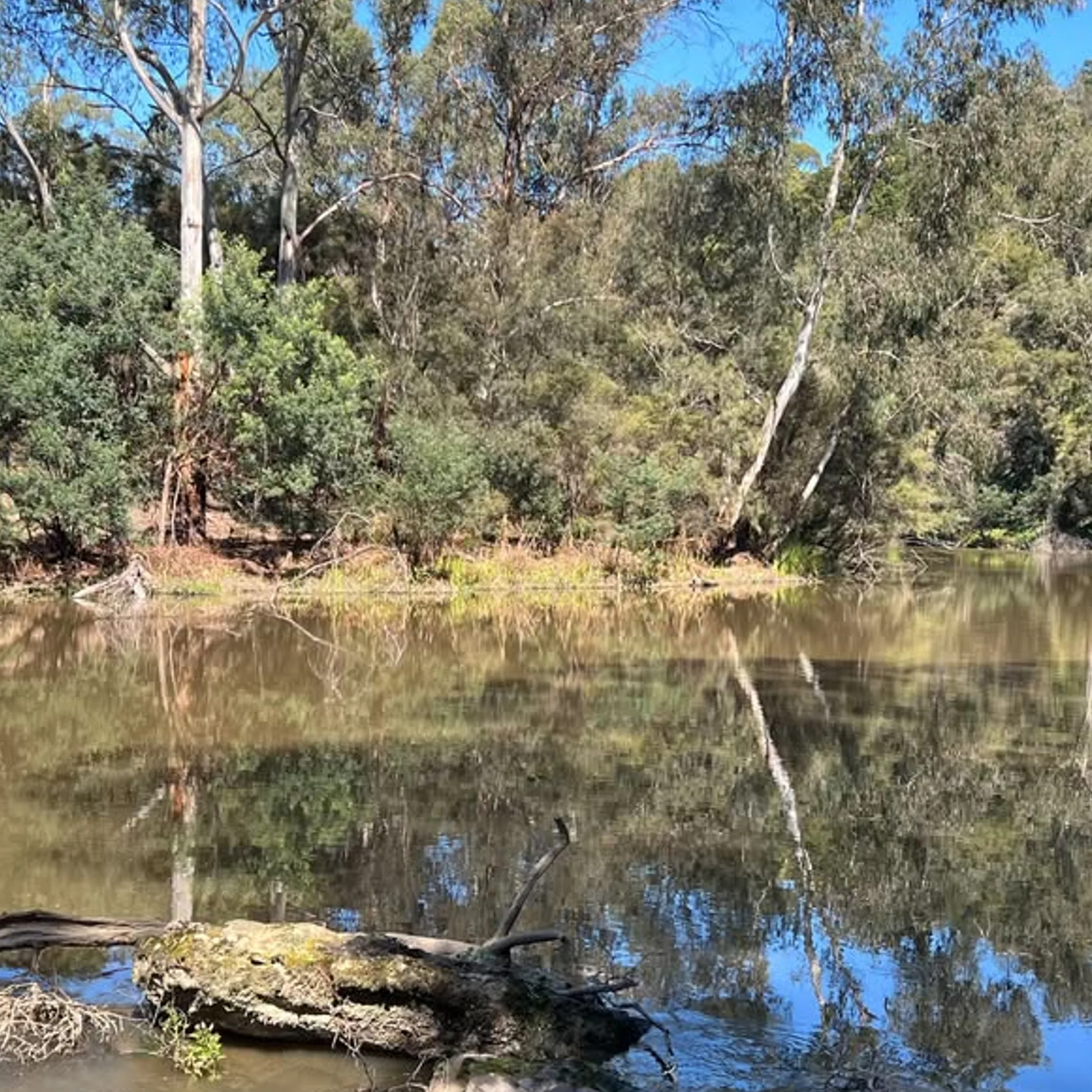
For a practical answer, pick a week between March and May and see how it suits the terrain and the forecast. Many will find autumn to be the place to start, offering a good balance of comfort and road access whether in the north, west, along the coast or in the alps.
Be conservative in your planning and have a backup. Do not let the app tell you the weather was fine and then have to account for it to a rescue crew. A good day in the park is one where you come back with your socks dry.
Use the current road lists and track info for the Victorian national parks before you book or leave Melbourne. The checking is worth it to have more time for the walking, the wildflowers and boiling the billy in peace.
