To close the gap in digital inclusion for First Nations Australians is to put Aboriginal and Torres Strait Islander peoples on an even footing when it comes to using the internet, having the right devices, the skills and connectivity to afford them, and to avail themselves of necessary online services. Under Target 17 of Closing the Gap, the nation has set itself the goal of such equality by 2026.
I have put together this guide in plain English to set out what Target 17 entails, the reasons for the digital divide in First Nations communities and how one might measure progress or what is required of governments and organisations. I am Celeste Mitchell and I have written it that way as digital policy has a habit of becoming overcomplicated and overheated like a billy on the coals and not very useful for all that.
A Plain-English Starting Point

You would be mistaken to think digital inclusion is just about having a mobile signal. It is also about confidence with technology, culturally safe support, and being able to make use of online services without falling behind, all backed up by affordable data and a decent device.
For a First Nations community, there are many things at play: remoteness, income, infrastructure, language, housing, disability and one’s past dealings with government services. On paper a person may have access to the internet but if the connection is prohibitive in cost, the service is difficult to get round or the device is not his alone, he is digitally excluded for all intents and purposes. These factors are central to the government inclusive digital standard.
What Target 17 Means
Outcome 17, or Closing the Gap Target 17, is predicated on the National Agreement on Closing the Gap with its focus on shared decision-making and approaches led by First Nations. By 2026 it is intended that Aboriginal and Torres Strait Islander people will see equal levels of digital inclusion.
The target is not some luxury. One cannot make light of the fact that digital access is integral to education, health care, banking, safety and public life. To be unable to connect these days is rather like being informed the office is open only to find the front door is three hundred kilometres off. The official National Agreement information will give you the full policy picture as to the national targets and the part played by partners and governments.
Why Digital Access Matters
With dependable digital access a person can see a telehealth provider, put in an application for work, handle his finances or be in touch with family. It is good for local media too and the preservation of language and culture. But where access is wanting, things are more costly and take longer. You could end up having to make a trip to a service centre, put up with a public computer or get another to fill in a form for you. That is no way to have equal access; it is like putting a toll booth in your way.
Benefits Beyond Connectivity
When a community has a say in the introduction of technology, it bolsters local decision-making. We can see community-led answers in the form of device libraries, digital mentors, training and support from organisations they trust. Self-determination is served by digital inclusion. First Nations Media Australia and others of their ilk make sure a program is in keeping with the cultural authority and knowledge of the community and does not impose a national template.
Consider the Top End where the wet season will impede travel and infrastructure. Or the Pilbara and Red Centre where heat and distance are obstacles. What is fine in Brisbane can be as rough as guts in a remote place if local realities are not taken into account.
What Drives Digital Exclusion
There are a number of interrelated causes for the digital gap in First Nations communities. A programme can be made to appear a success on paper by zeroing in on mobile coverage for instance, yet in reality people are hard put to it.
One has to consider affordability, the design of the service, safety, skills and the rest. If any one of those is lacking the whole thing will fall flat as a pancake.
Cost, Coverage And Devices
Then there is the matter of cost. Between rent, food and fuel, money for a new device or to put a plan in place can be hard to come by. Some will have to share a phone or laptop in the household which makes for difficulties with job applications or private appointments.
And coverage is not uniform. In regional or remote areas fixed-line options are few, reception can be poor and it is not uncommon to be faced with long waits for a repair or high equipment prices. There are any number of things that can put in delays: the weather, how far one has to go or the state of the roads. When the service route to a technician is a long bush track, he is not going to be able to just pop around the corner.
Then there is the matter of the device itself. An older phone will not always take to the latest applications. What should be an uncomplicated identity check can become an afternoon’s frustration with a cracked screen, a battery on its last legs or insufficient storage.
Skills, Trust And Service Design
Digital literacy says nothing about intelligence; it tells you if people have been given the chance to learn in a safe and relevant way. Some will shun online services out of fear of being scammed, a lack of surety with their passwords, or because they do not understand privacy settings. Past dealings with a service found to be disrespectful or hard to make head or tail of will put them off.
Language and accessibility cannot be overlooked. Bureaucratic English makes for poor instructions, all the more so where legal, health or financial matters are at hand. Any inclusive digital standard from government ought to see to clear language and privacy, as well as meaningful options for those who cannot use a digital channel.
The common error is to think young people come by good digital skills as a matter of course. They may be at home with social media but require assistance with a government form, putting in an application for a job or uploading documents, not to mention cyber safety and online banking.
How The National Plan Helps
In terms of policy direction for greater participation, skills, affordability and access, the First Nations Digital Inclusion Roadmap and the Indigenous Digital Inclusion Plan are what is needed. But their worth is in how properly they are funded and tied to local priorities over time.
A plan is no good as a fine document to be filed in a government office. There has to be a way for communities to have a say in decisions and alter programs that are failing, and for delivery and reporting to be transparent.
First Nations-Led Delivery
Policy would be better made with input from those who know what digital exclusion is like, which is why the First Nations Digital Inclusion Advisory Group has its place. A conventional data set might not pick up on cultural obligations or household dynamics, or give voice to concerns over surveillance and privacy, but advice led by First Nations will.
Community organisations are well placed to determine the shape of success and who does the training. For some that means dependable connectivity at home, for others a support worker they can trust at the community centre or a way to get a device fixed without having to make an expensive journey to the capital.
Programs That Earn Trust
You start with listening. A program will tell you what information is being taken and for what purpose and who gets to see it. It will let you put questions to them without condescension and be on hand to help after the funding has been announced and the publicity has died down, instead of making themselves scarce.
One must also be mindful of local conditions. Even the most useful content will not draw a crowd if the training is on when there is seasonal work to be done or school to attend. A workshop here and there is less of a value than having flexible times and venues with support to call on.
Priorities For Equal Access
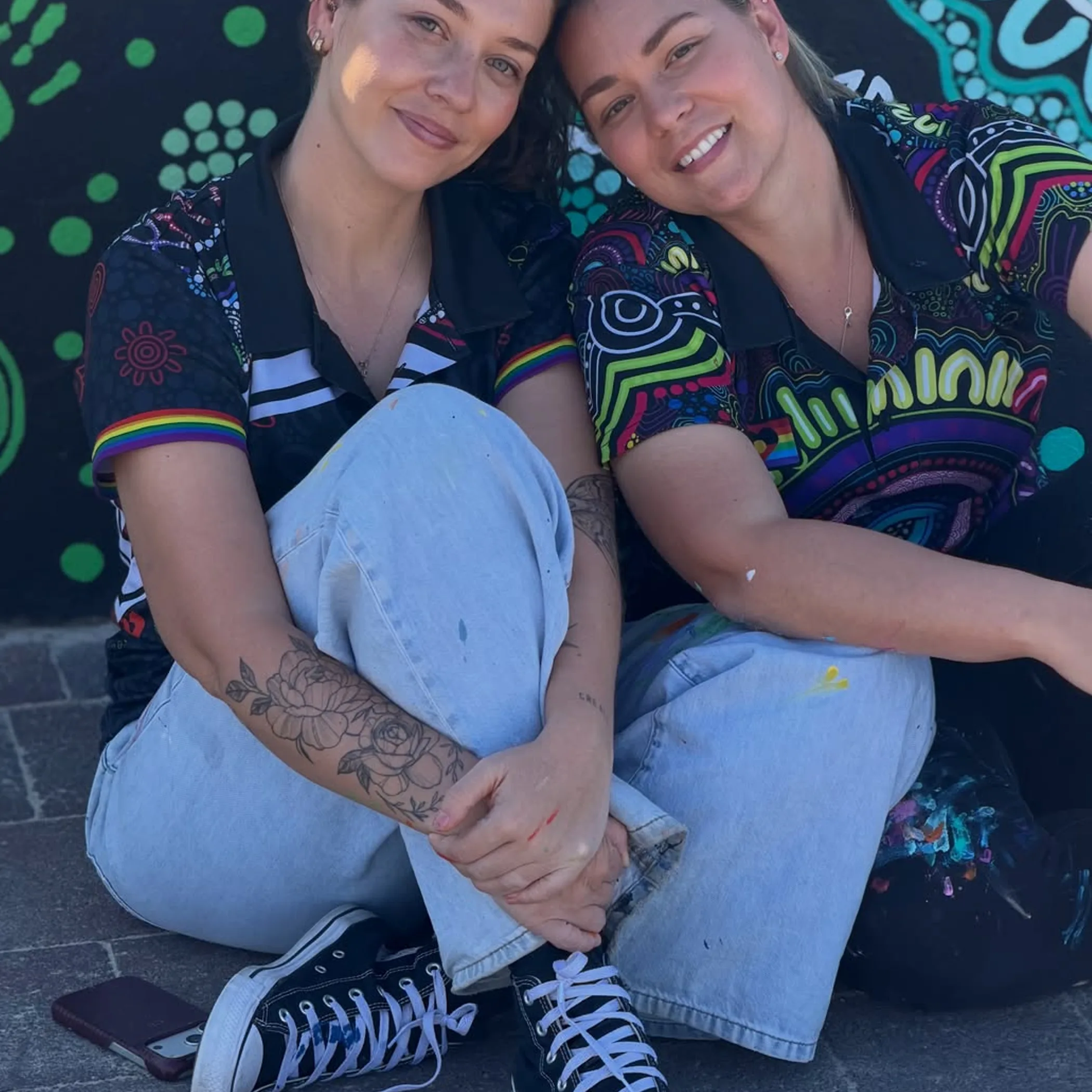
To achieve equal digital inclusion in 2026 calls for investment of a practical sort, not improved slogans. The following priorities are best when measured by outcomes of consequence to the community and planned in concert.
Government has to be flexible in its support. An urban Aboriginal service and a remote community or regional family will have some of the same needs but not all of them.
Six Practical Building Blocks
- Internet and mobile coverage that is fit for purpose.
- Connectivity people can afford, be it a data plan or home internet.
- Devices and the means to replace or have them mended.
- Support for digital literacy in a setting that is accessible and safe.
- Online services with a design and process that is culturally respectful and easy to read.
- Governance and measurement of digital inclusion that is First Nations-led.
An organisation should see if a task can be seen through to the end. Putting in Wi-Fi is of little use if the form times out, the device will not upload or there is no one to help with a password that has been mislaid.
Expectation Versus Reality
Expectation: Put out a public computer and the problem of access is solved.
Reality: Unless it is there when you need it and the internet is up to scratch and you have some privacy for sensitive work and someone on hand when the system goes awry, a computer is not much good.
Expectation: A smartphone will do for any online service.
Reality: You will find some employment applications and forms hard to do on a small screen. The phone could be in a sorry state or running out of room, or it is not yours alone to use.
Expectation: Lasting confidence is the product of a short course in digital skills.
Reality: The fact of the matter is that one does not get better at a skill without putting it to relevant and repeated use. What people require is assistance with the tasks put before them, not some perfunctory walk through menus and buttons.
Measuring Target 17 Progress
Any measure of digital inclusion has to tell you if technology can be used in a manner that is safe, affordable and practical. A headline figure will not tell you why a community centre’s connection is down every afternoon or what is preventing a family from making an online appointment.
There should be an openness as to whose experience is not being captured and if there are variances between remote, regional and urban results; measurement must be underpinned by community feedback as well as statistics.
Useful Measures To Track
| Measure | What It Can Show | Why It Matters |
|---|---|---|
| Internet access | To see if a household or community has a reliable connection | Coverage is no guarantee of a service one can use |
| Affordability | To determine if data and connectivity are within means | There is little point to a connection when it means forgoing groceries |
| Digital devices | Whether the equipment is fit for purpose | An old or shared device is an impediment to work, study and private services |
| Digital skills | The ability to get on with everyday online things | Service use is a function of confidence and competence |
| Online services | Whether government and other essential services are usable | Strong coverage is of no avail if the system is impenetrable |
| Community experience | Local evidence from First Nations as to what is or is not working | It helps guard against national averages that mislead |
Target 17 sets out the goal of equal digital inclusion by 2026, which is the most straightforward statistical benchmark. But since methods and programs are subject to change, one would do well to consult the official reports for the latest national figures before citing them in policy or funding arguments.
Actions To Close The Gap
It is possible for governments and organisations to have a tangible effect by putting money behind local capability for the long haul instead of a brief demonstration. They can also ensure their digital services are open to all, even those who need non-digital alternatives.
Schools, libraries, health services and businesses have part to play. Often the best thing to do is not very glamorous: put in a word of explanation over the form, pick up the phone, have someone on hand when the system goes pear-shaped and make sure the equipment is in order.
A Practical Organisation Checklist
- Before you put in place new technology, ask the First Nations communities what barriers they would have removed.
- Your budgeting should cover staff time, training, data, repairs and technical support, as well as the devices themselves.
- Make your services available digitally and otherwise.
- Be plain-spoken about how data is handled and matters of consent and privacy.
- You want to measure satisfaction and completion, not simply attendance or connections.
- Publish your progress in a way that is clear, with First Nations representatives having a say in the review.
Individuals can contribute to better outcomes by patronising First Nations-led providers, eschewing assumptions as to a community’s wants and giving working devices to a reputable programme. Good intentions are fine but listening is preferable.
Frequently Asked Questions
One encounters these questions because digital inclusion has a bearing on identity, privacy and the wider Closing the Gap agenda, as well as government services. The answers below are to the point though rules for a given service may vary.
What is meant by Closing the Gap for Aboriginal people?
It is the national effort to put in place better outcomes in education, housing, safety, employment, health and digital inclusion for Aboriginal and Torres Strait Islander peoples. It ought to be about First Nations-led solutions and shared decisions, not ones made unilaterally by government.
Is it possible to opt out of a digital ID in Australia?
That depends on the transaction and the organisation; there is no blanket answer. Inquire of the provider as to what alternative or non-digital verification is on offer and how they will make use of and keep your information.
What are the 17 targets?
Under the National Agreement there are 17 socio-economic targets spanning children, languages, justice, housing, employment and so on. Of these, Target 17 is aimed at seeing equal digital inclusion for Aboriginal and Torres Strait Islander people in 2026.
Who is footing the bill for Closing the Gap?
Australian, state and territory governments have responsibility and provide the funding, with delivery also coming from community organisations and partners. Check the guidelines of the department in question as the arrangements will differ from one initiative to the next.
Is it just a case of internet access?
Not at all. One can be in an area with coverage and yet be digitally excluded if the service is hard to use or costs too much. Digital inclusion is also about having the right skills and devices, and being safe and supported.
Toward a Fairer Digital Future

With Target 17 of Closing the Gap it is not enough to show a signal on a map. The issue is whether First Nations people have the wherewithal to connect and the right gear, can put their mind at ease about their information and are helped when the technology fails.
What is needed is a mix of trust and infrastructure, of community knowledge and national accountability. Equal digital inclusion in 2026 will be done with First Nations communities and not just in reference to them.
For the everyday Australian as much as for government and organisations the message is self-evident: fund the solution in full, listen first and measure what can be done in reality. That makes for a digital inclusion that is of some use and not a neat expression in a policy paper.
